
Real Estate Agents & Realtors

IRS Mileage Deduction for Real Estate Agents

Real estate agents leave hundreds in mileage deductions on the table every tax season. Every client tour, open house, and broker meeting qualifies, but only if you're tracking it.

Trusted by over 4 million drivers

4.8/5 on App Store
IRS-Compliant Reports
Automatic GPS Tracking
4M+ Self-Employed Users
SOC 2 Certified
IRS compliance

You're Always on the Move, Your Mileage Deduction Should Reflect That

The IRS allows real estate agents to deduct any drive that's ordinary and necessary for business, from dropping off title paperwork to previewing out-of-county listings. If it serves your business, it's deductible.

GPS mileage tracker
GPS mileage tracker
GPS mileage tracker
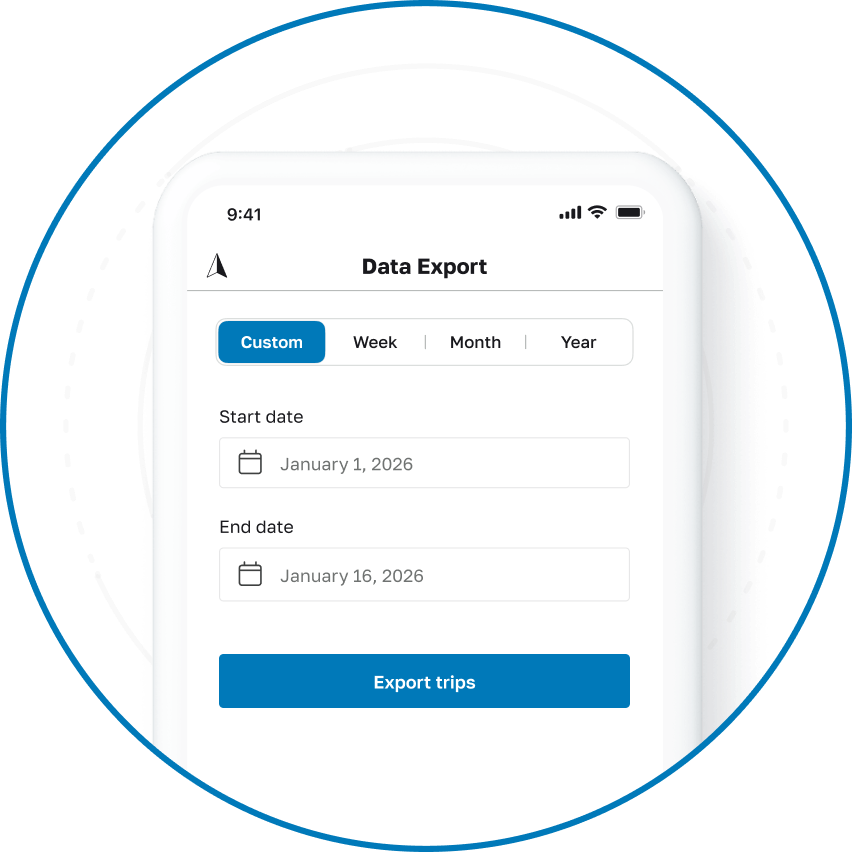
Export mileage
Export mileage
Export mileage

Property Showings

Every leg of a buyer tour counts toward your mileage deduction, first showings, follow-up visits, and multi-stop days alike. You don't need to return to a home base between properties for each drive to qualify. As long as the trip serves your client and your business, it belongs in your log.

Everlance expense tracking app

Listing Appointments & Presentations

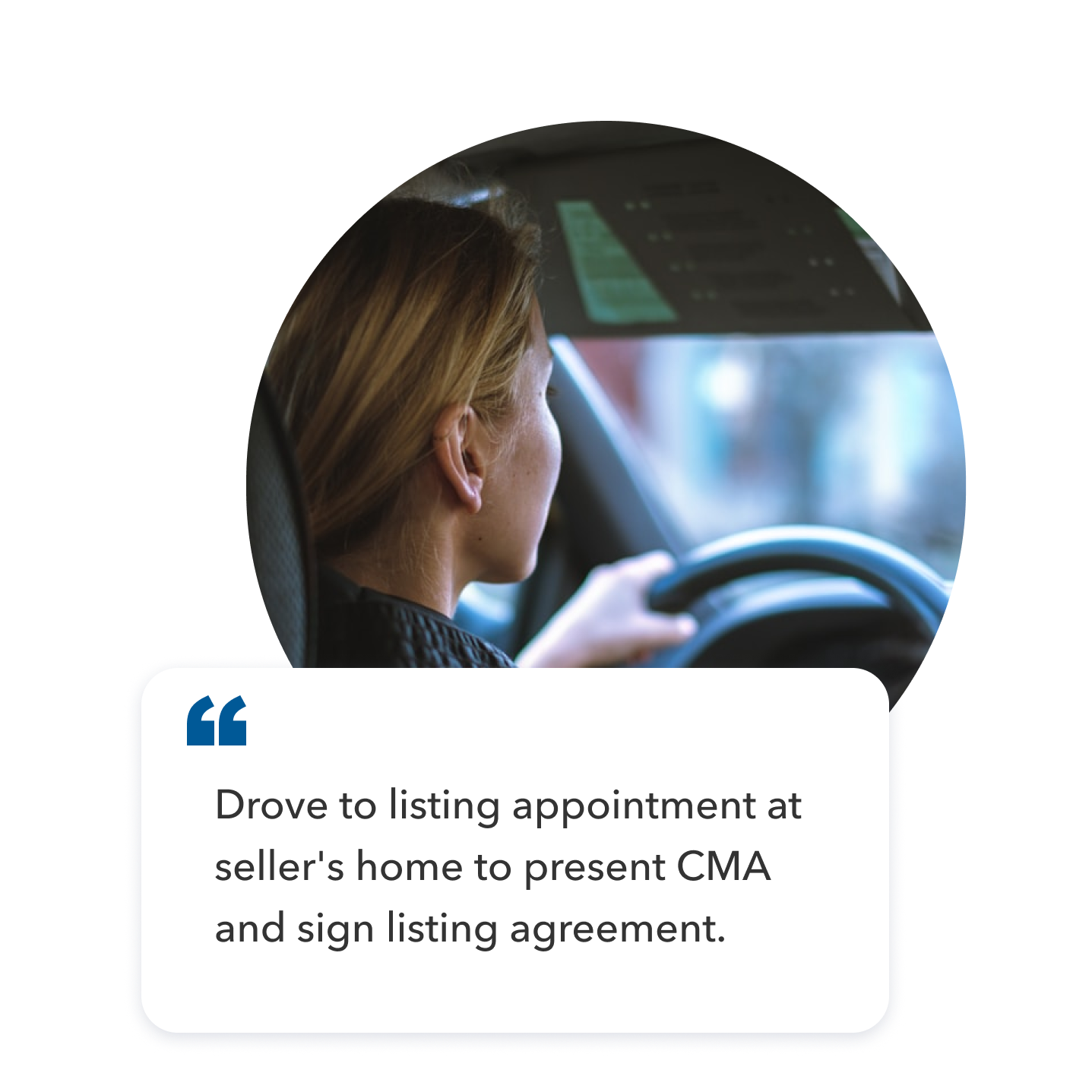
Driving to present a comparative market analysis, sign listing paperwork, or walk a seller through staging recommendations is fully deductible. These trips sit at the core of your revenue-generating activity, and the IRS recognizes them as such. Every mile driven in pursuit of a listing belongs in your mileage log.
Everlance expense tracking app

Open Houses

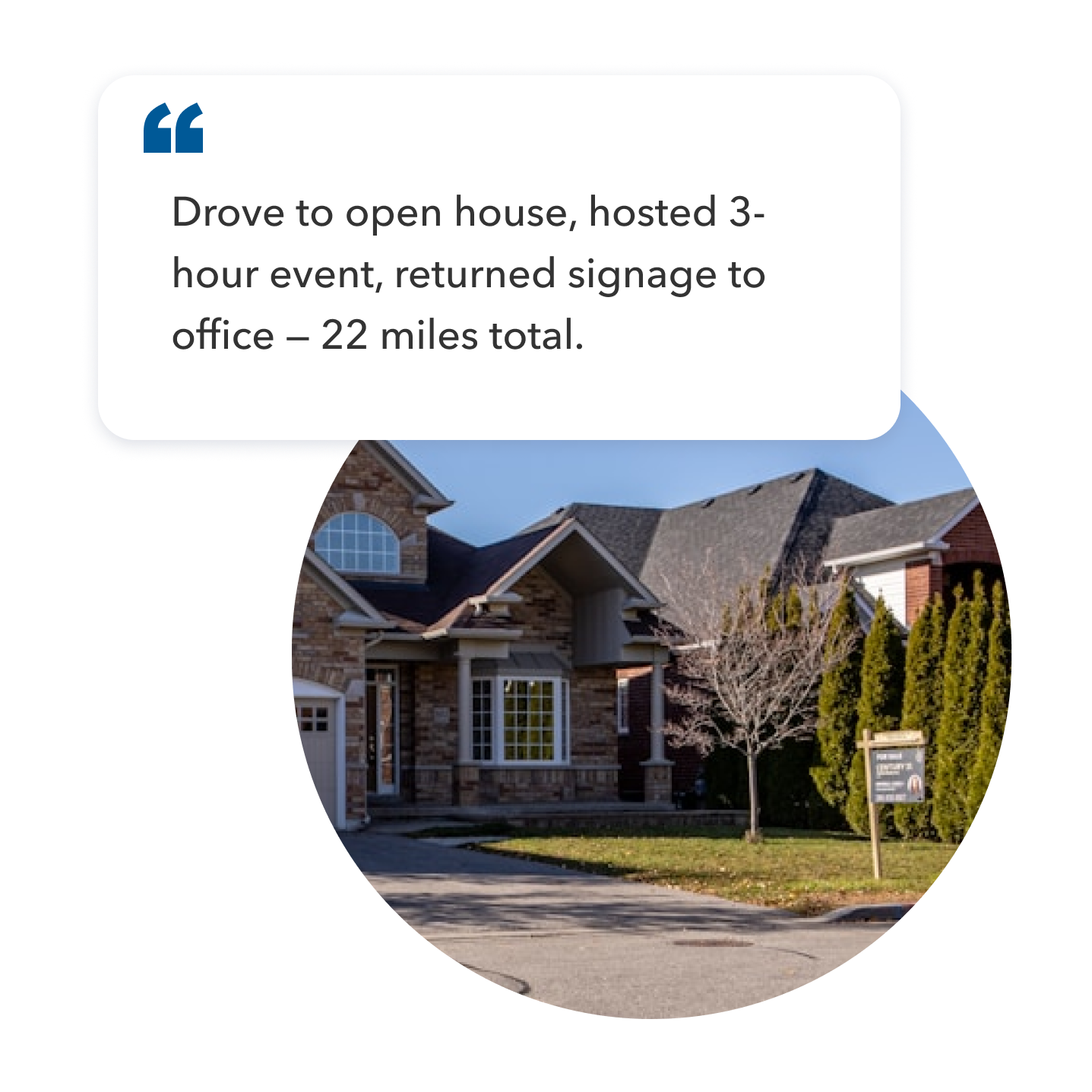
Every drive connected to an open house qualifies for a mileage deduction, from the initial setup run and signage placement to hosting the event itself. If you're working multiple open houses on the same weekend, each property counts as a separate deductible trip, stacking your total logged miles significantly by Sunday evening.
Everlance expense tracking app

Prospecting & Neighborhood Farming

Canvassing target neighborhoods for listings, delivering door hangers, or scouting expired and withdrawn properties all qualify as deductible drives. The IRS recognizes neighborhood farming as legitimate business activity, meaning every mile you put into building your pipeline is just as deductible as the client-facing trips that close deals.

Everlance expense tracking app

Client Meetings & Buyer Consultations

The location of your client meeting doesn't affect deductibility β€” whether you're driving to a coffee shop, a buyer's home, or your own brokerage office for a scheduled consultation, every mile counts. Any drive made with the purpose of meeting, advising, or building a client relationship is fully deductible.

Everlance expense tracking app

Property Photography & Inspection Visits

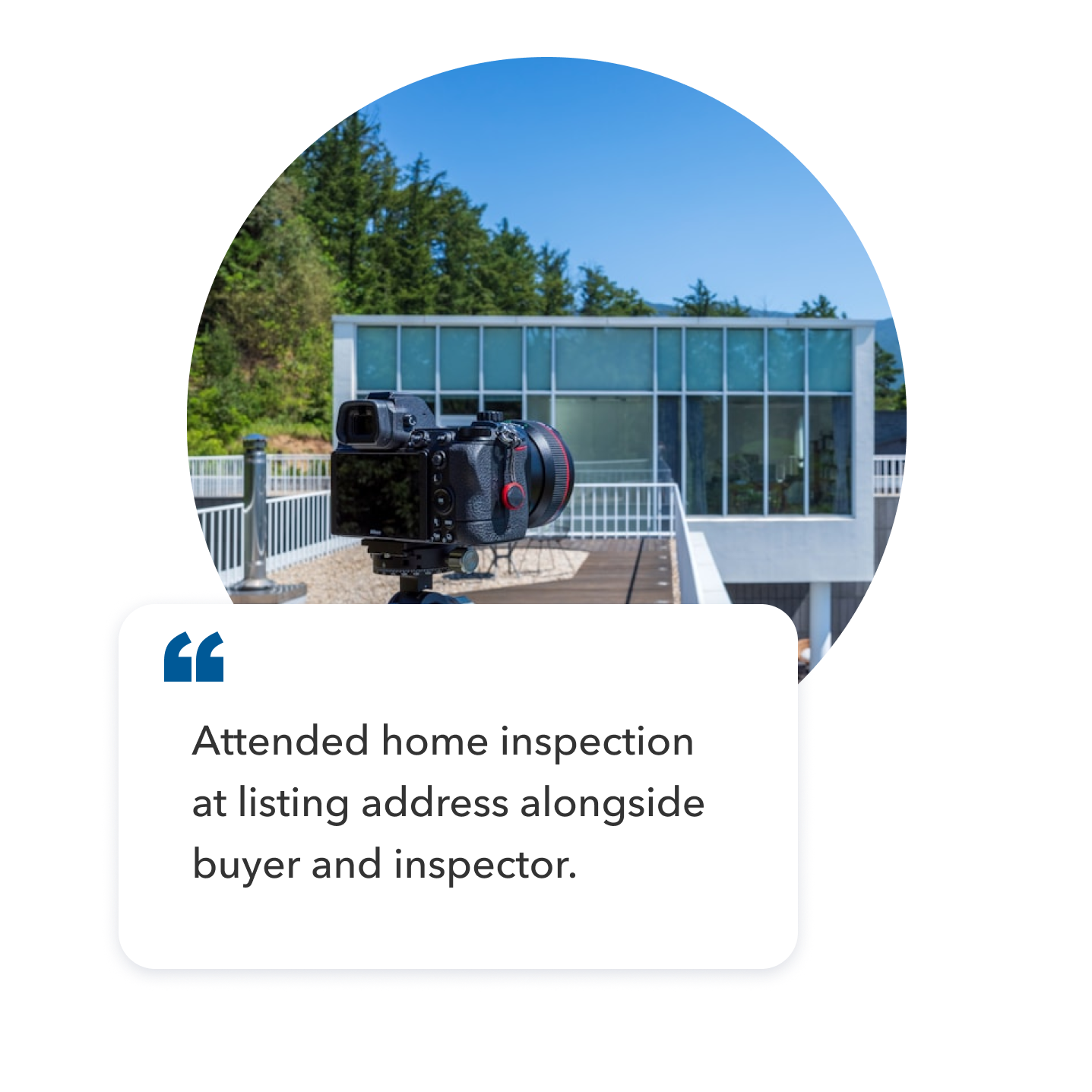
Attending a home inspection, appraisal, or professional photo shoot as the listing agent is considered ordinary and necessary business activity by the IRS. Every mile driven to be present at these critical transaction milestones fully qualifies for a deduction, because without them, your deals simply don't close.
Everlance expense tracking app
Estimate your 2026 deduction

What Could Your Mileage Deduction Be Worth This Year?

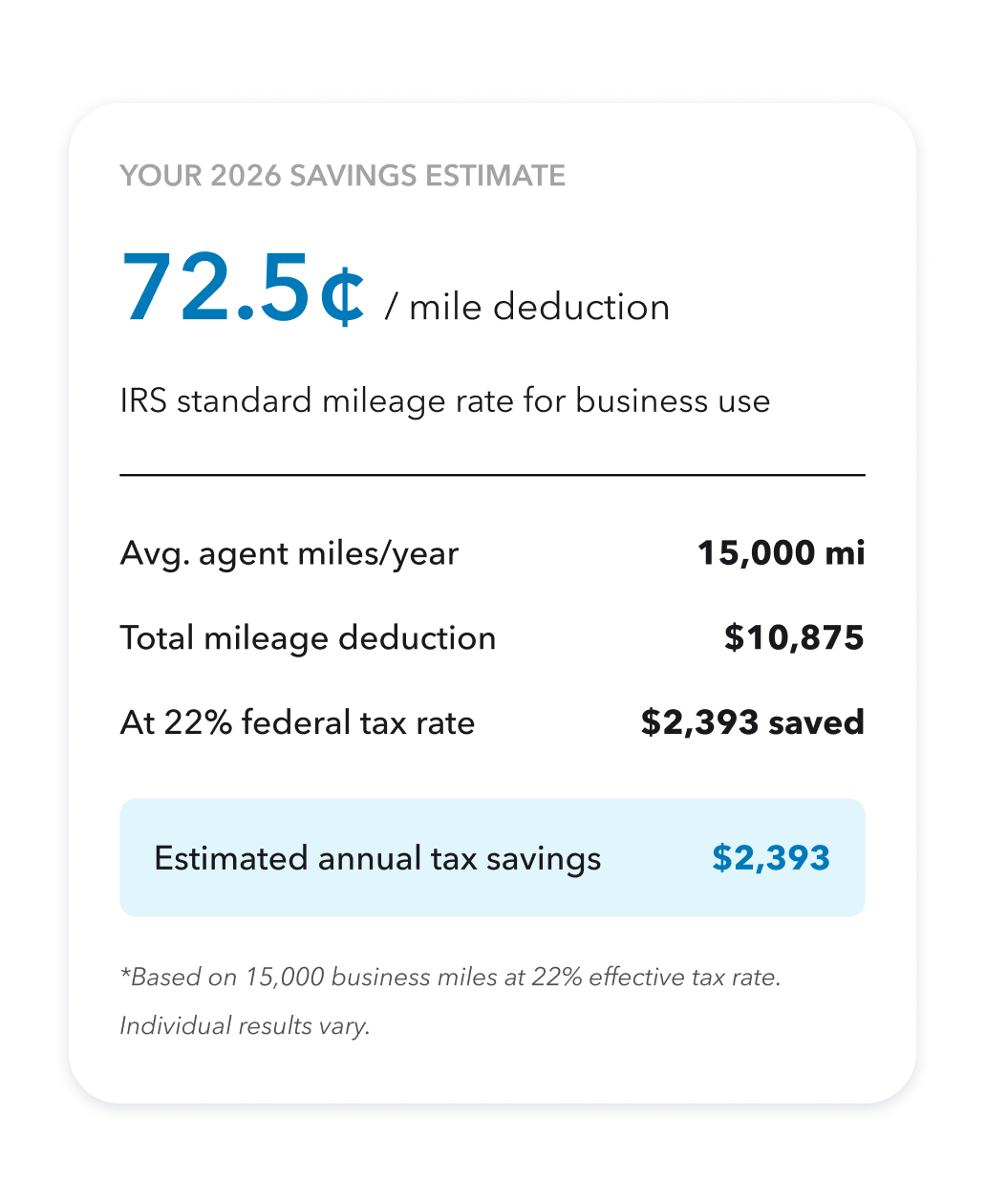
At the current IRS standard mileage rate, the numbers add up quickly for agents who are consistently on the road. A full-time agent working a mid-size market, balancing buyer tours, listing appointments, open houses, and the countless in-between trips that come with closing deals, can realistically log 18,000 to 22,000 business miles in a year. At the current rate, that translates to a deduction worth $13,000 to $15,950. For a high-volume agent pushing 30,000 miles annually, that figure climbs closer to $21,750, real money that belongs in your pocket, not overlooked at tax time.

Estimate my savings
Annual business miles 18,000
1,000 20,000 40,000
Federal tax rate 22%
10% 22% 37%

Estimated annual tax savings

$2,871

($13,050 total deduction)

Start Tracking β€” It's Free

βœ“ 2026 IRS Rate: 72.5Β’ per mile  Β·  Real estate agents typically log 18,000–22,000 business miles per year.

IRS compliance

Your Mileage Log Is Only as Strong as What's In It

Real estate agents lose mileage deductions in audits for one reason more than any other records that were pieced together after the fact rather than captured in the moment. The IRS calls this the contemporaneous record requirement, and it applies to every trip you claim.

Miles driven

Total miles per trip. Everlance captures this automatically via GPS β€” no odometer readings or manual input required.

Business purpose

Write a specific note: "buyer showing at 412 Oak St." Vague entries like "work" will not survive IRS scrutiny.

Date of the trip

The IRS routinely cross-references claimed trips against MLS activity, showing schedules, and client communications.

Starting & ending location

GPS-captured coordinates carry the most weight in an audit because they are objective and difficult to dispute.

Date of the trip

The IRS routinely cross-references claimed trips against MLS activity, showing schedules, and client communications.

Starting & ending location

GPS-captured coordinates carry the most weight in an audit because they are objective and difficult to dispute.

Business purpose

Write a specific note: "buyer showing at 412 Oak St." Vague entries like "work" will not survive IRS scrutiny.

Miles driven

Total miles per trip. Everlance captures this automatically via GPS β€” no odometer readings or manual input required.

Common questions

Real Estate Agent Mileage Deduction β€” FAQ

Answers to the most common questions real estate agents and Realtors ask about IRS mileage deductions. Each answer is written to give you a clear, actionable response β€” not tax jargon. For advice specific to your situation, consult a qualified CPA or tax professional.

The IRS sets a standard mileage rate for business use each year, and as a self-employed real estate agent or independent contractor Realtor, you can deduct that rate for every mile driven for business purposes, including property showings, listing appointments, open houses, client meetings, prospecting drives, and office visits. The rate applies to sole proprietors filing Schedule C and to single-member LLCs treated as sole proprietorships. Most Realtors qualify as independent contractors rather than employees, which makes the full standard mileage deduction available to you on your federal return. Check the IRS website or consult your CPA each January for the current year's rate.

Yes. Travel from your home office or brokerage to any property showing is fully deductible at the current IRS standard mileage rate. This includes buyer showings, pre-listing walkthroughs, listing preview tours, and repeat visits to any property in a transaction. When you're running a multi-stop showing tour in a single day β€” which is routine for buyer's agents β€” every leg of the route counts as deductible business mileage. You're not required to return to your brokerage between stops. Everlance automatically tracks each segment of a multi-stop drive, so no mileage is missed even on your busiest showing days.

Yes. Driving through target neighborhoods to canvas for listings, deliver marketing materials, research comparable sales, identify FSBO or expired listing opportunities, or scout development activity are all considered ordinary and necessary business activities under IRS Publication 463, and they qualify for the standard mileage deduction. Log each prospecting drive with a brief note: "drove farm area to deliver Just Sold cards and identify FSBO opportunities." That level of specificity is sufficient for IRS purposes and protects your deduction in the event of an audit.

The average real estate agent drives between 10,000 and 25,000 business miles per year, depending on transaction volume, geographic market size, and business development activity. Applied to the current IRS standard mileage rate, that range represents a substantial deduction β€” and at a 22% federal tax rate, the resulting tax savings can reach into the thousands annually, plus any applicable state deductions. Agents in large metro markets who handle volume buyer business, run regular open houses, and actively farm neighborhoods tend to accumulate mileage at the higher end. Every mile you fail to track is a deduction you're giving back to the IRS unnecessarily.

Yes β€” every leg of a multi-stop showing tour is deductible. When you drive from one property directly to another without returning to your brokerage in between, each segment of the route counts as deductible business mileage. The IRS does not require you to reset at a fixed location between stops. A dedicated mileage tracking app captures each segment automatically, ensuring you never miss a mile on a busy showing day even when you're focused entirely on your clients.

Commuting from your home to your brokerage office does not qualify as deductible mileage if your brokerage is your principal place of business β€” the IRS treats this the same as any employee commute. Personal errands run while traveling between properties also do not qualify for the portion of the drive that is personal in nature. However, if you maintain a qualifying home office under IRS rules β€” meaning a space used regularly and exclusively for business β€” then travel from your home directly to a client, property, or any other business location is generally deductible from the moment you leave your driveway. Setting up a legitimate home office is one of the most impactful tax moves an independent contractor Realtor can make.

Yes β€” and this is non-negotiable. The IRS requires contemporaneous mileage records, meaning each trip must be logged at or near the time it occurs, not reconstructed later. Your log must include the date, starting and ending location, business purpose, and total miles for every trip. Without these records, your entire mileage deduction is at risk of disallowance during an audit, even when the underlying trips were completely legitimate. Real estate agents are particularly vulnerable here because the nature of the job makes it easy to accumulate large mileage deductions that invite scrutiny.

Everlance eliminates this risk by automatically tracking every drive via GPS the moment your car starts moving. Each trip is timestamped and geo-verified, giving you an audit-proof log that fully satisfies IRS contemporaneous documentation standards. At year-end, generate a complete IRS-compliant report in seconds.

Most real estate agents benefit more from the standard mileage rate because it requires far less record-keeping and typically produces a larger deduction than tracking actual vehicle operating costs like gas, insurance, registration, and depreciation. The actual expense method can occasionally yield a higher deduction for agents who drive a newer, high-cost vehicle with significant depreciation, but the administrative complexity is considerably greater.

There is one important rule: you must choose the standard mileage method in the first year you use a vehicle for business. Once you use the actual expense method for a vehicle, you generally cannot switch back to the standard mileage rate for that vehicle in future years. Consult your CPA in year one to choose the method that best fits your vehicle and business situation.

Stop Leaving Money on the Table

Everlance automatically tracks every business mile via GPS, and generates a complete IRS-compliant report at tax time, effortlessly.