

Tax audit protection for self-employment
Stay prepared, reduce risk & keep your records IRS-ready year-round.

Everything you need to stay audit-safe as a self-employed professional
If you’re self-employed, audits can feel intimidating but understanding how they work and staying organized can make the entire process far less stressful. Without an employer documenting your income or withholding taxes, you’re responsible for maintaining accurate records, reporting your earnings correctly, and proving your deductions to the IRS if needed.
This hub provides simple guides, clear checklists, and expert insights on how freelancers, gig workers, contractors, and small business owners can protect themselves from audits and stay compliant all year long.
Learn how to maintain audit-proof documentation, avoid common IRS red flags, track deductible expenses correctly, and prepare records that stand up to scrutiny before tax season even begins.
Every section below includes step-by-step tools designed to help you stay organized, compliant, and fully prepared for any IRS review.







Start with the essentials of self-employed audit protection
Audit protection basics for the self-employed
Understand how IRS audits work, why self-employed workers get audited more often, and how to safeguard yourself

Building audit-proof documentation
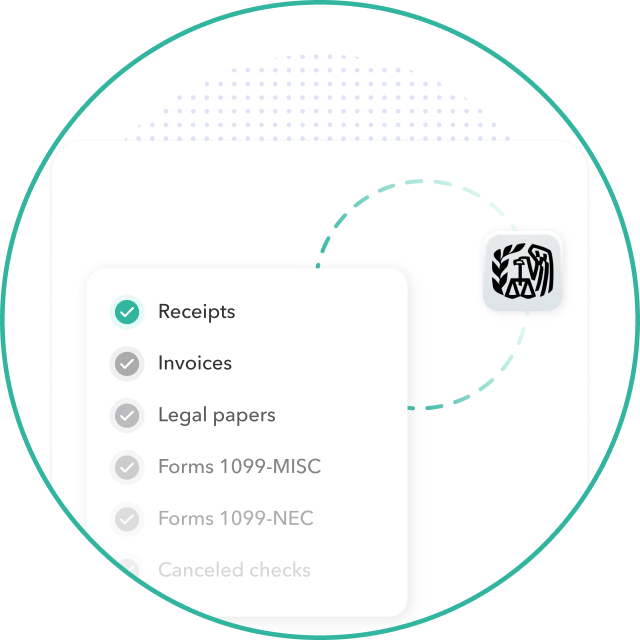
Learn how to properly track income, store receipts, organize mileage logs, and maintain records year-round

How to prepare for an IRS audit
Get step-by-step guidance on what to do if you receive a notice, which documents to gather, and how to communicate with the IRS

Protecting deductions
for freelancers & contractors
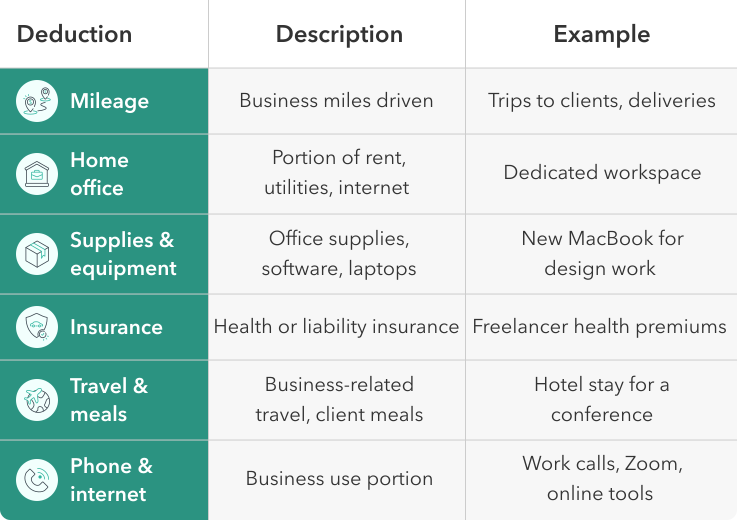
Make sure your mileage, home office, supplies, and insurance deductions are documented thoroughly and claimed correctly

Common IRS audit triggers for the self-employed
Discover the most common red flags—unreported income, large deductions, inconsistent records—and how to avoid them
How Everlance supports self-employed audit protections
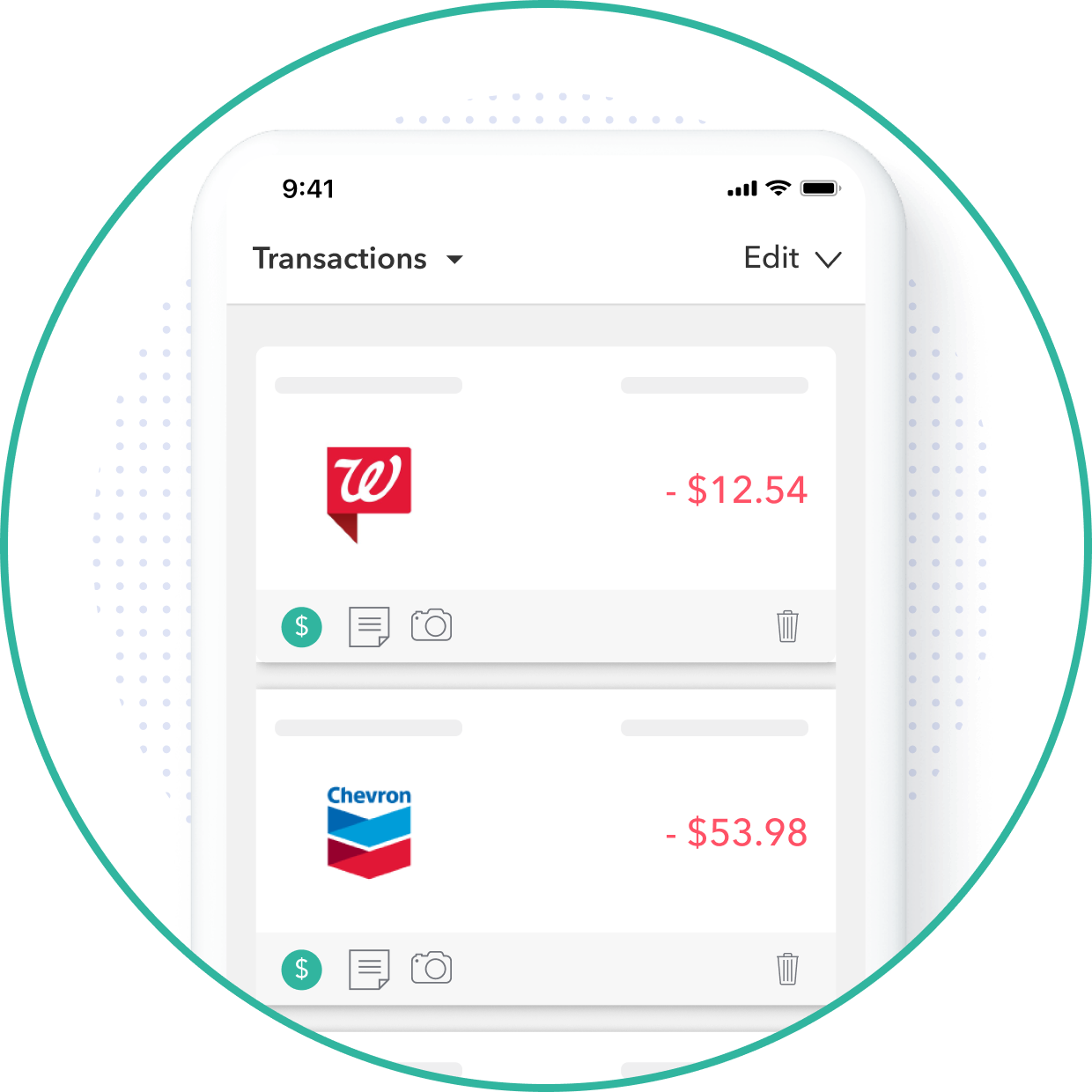
Staying audit-ready doesn’t have to be complicated. Everlance helps self-employed professionals maintain the clean, accurate records the IRS expects—so you’re always prepared, even if an audit notice arrives.
Here’s how Everlance helps strengthen your audit protection:

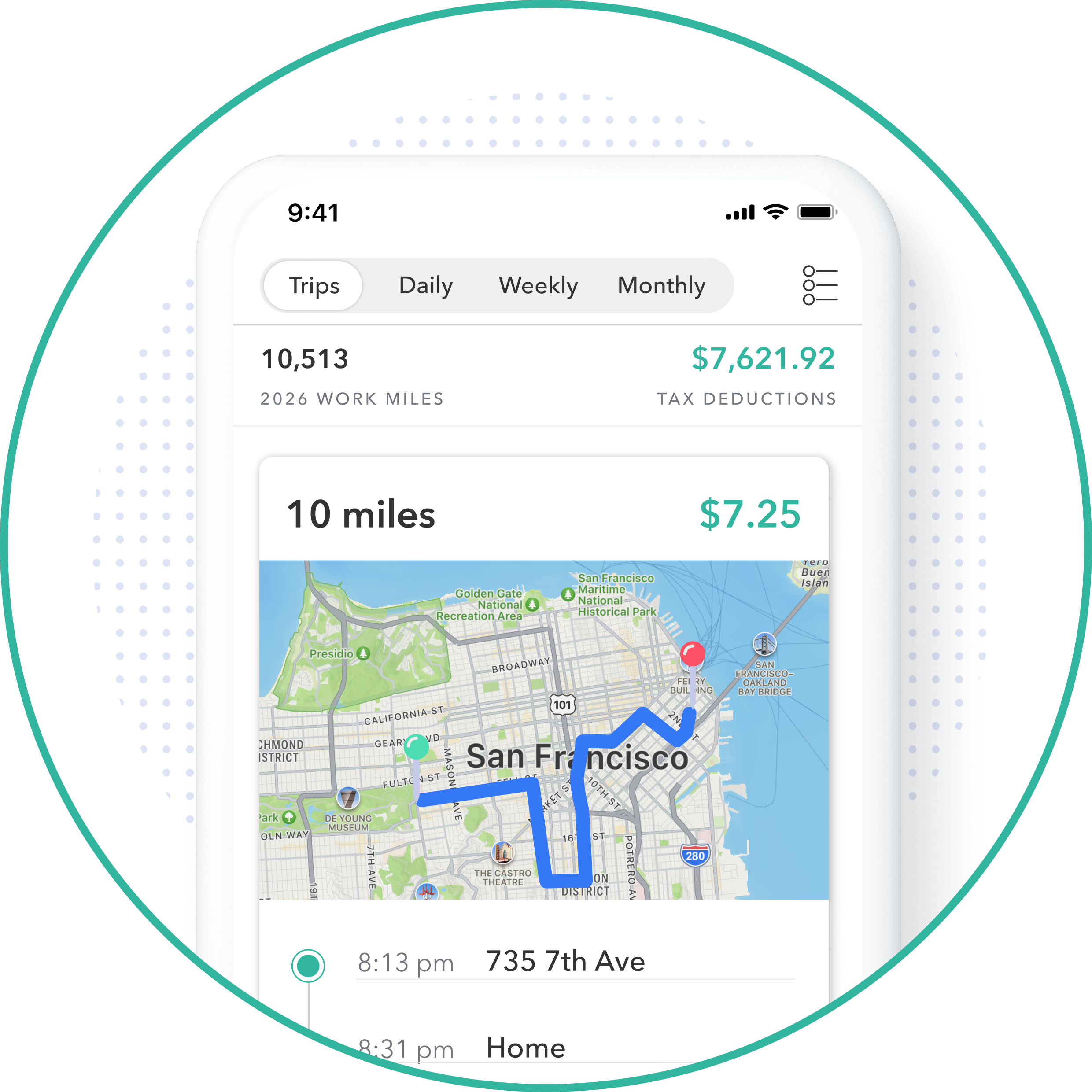
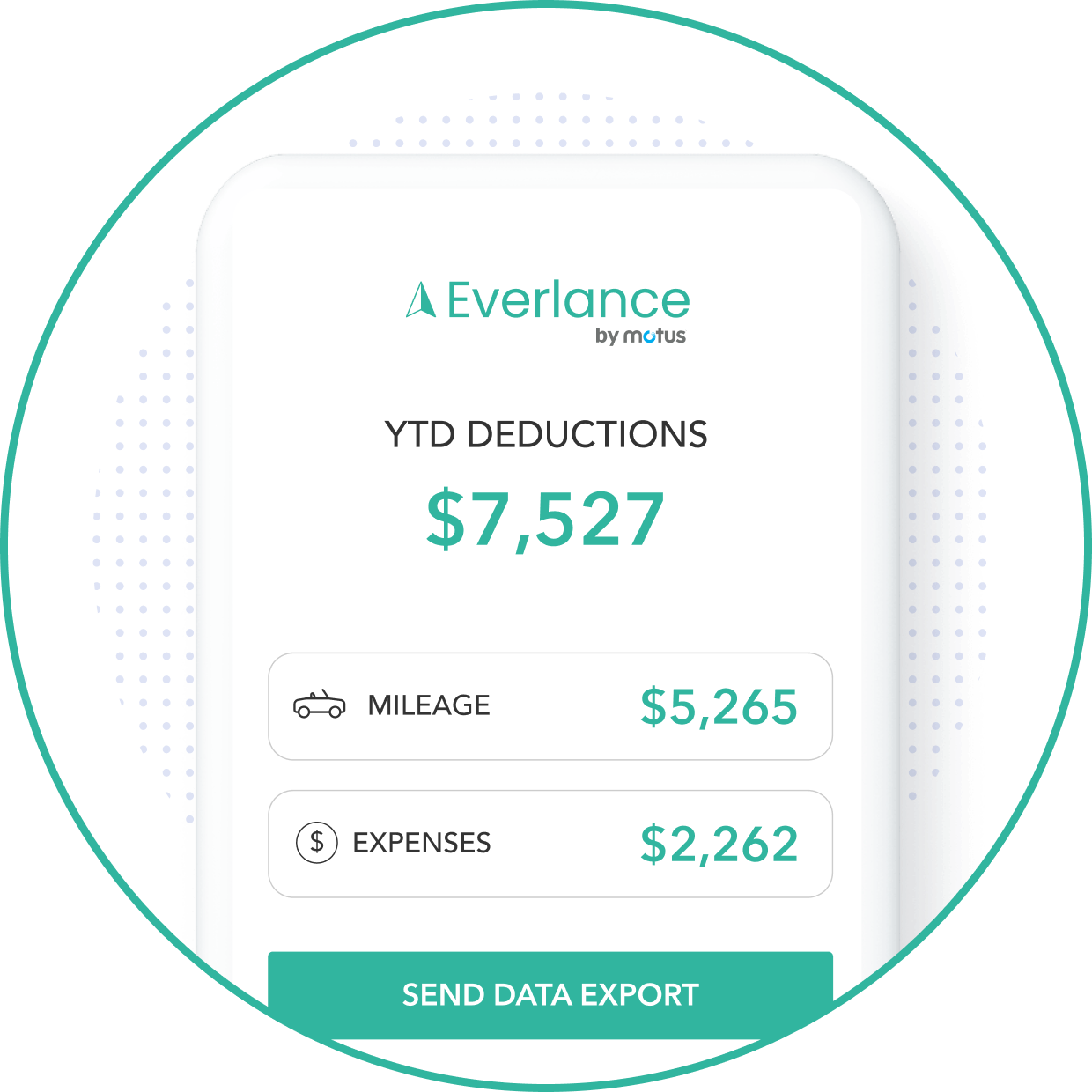
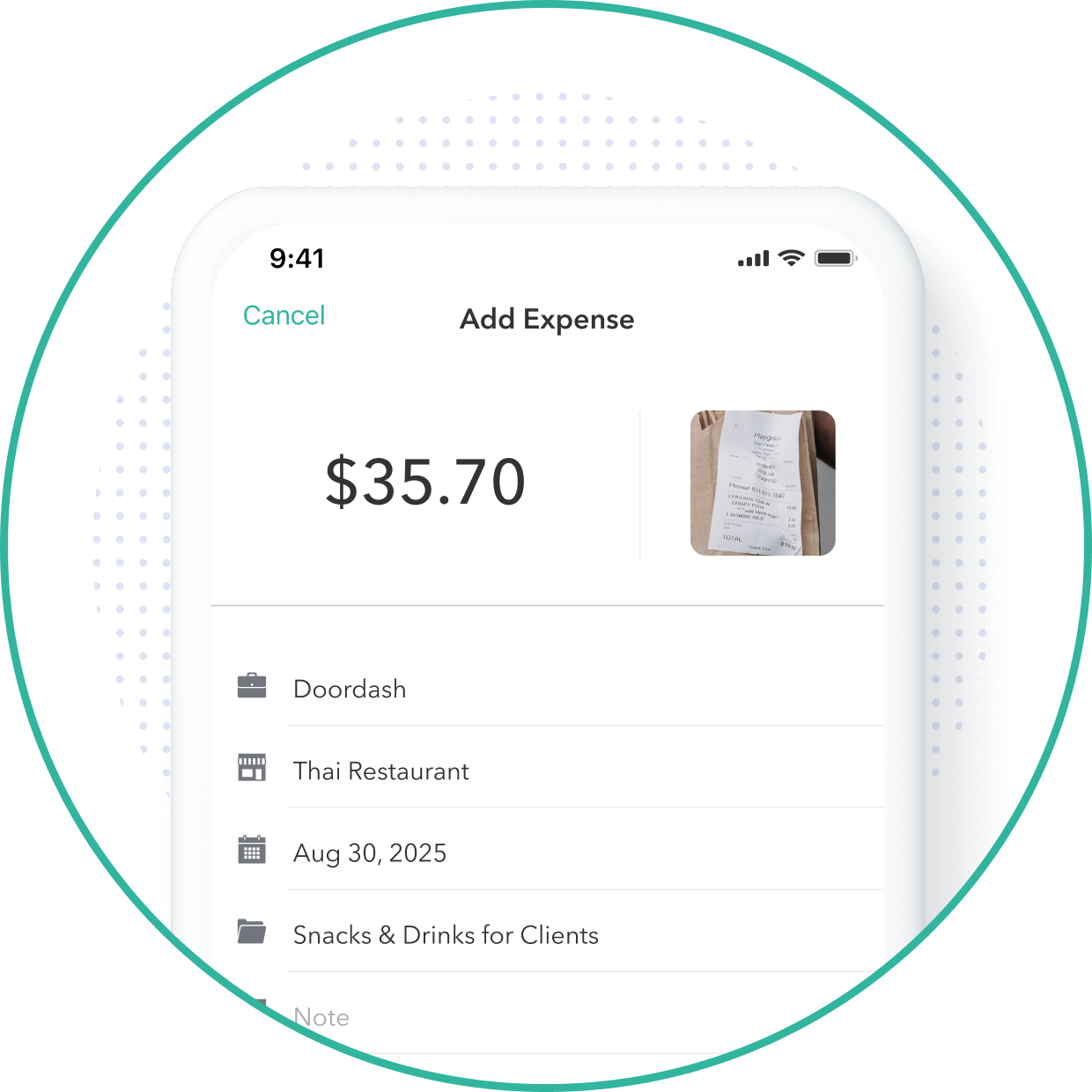

Stay audit-ready with Everlance
Download for free“I used to worry about audits because my receipts were everywhere. Now everything is stored neatly and easy to pull up if needed.”
Jordan S

Free tools to make audit protection easier

Audit documentation checklist
Know exactly what records to keep throughout the year

Mileage & expense log templates
Simple, IRS-compliant templates for clean, organized tracking

IRS audit red flag guide
Learn which habits increase audit risk and how to avoid them
These tools make it simple to stay prepared, organized, and confident no matter your income type or industry.
Taxes audit protection for the self-employed: FAQs
Why are self-employed people audited more often?
Because the IRS expects precise documentation for income and deductions, and self-reported earnings carry a higher risk of errors.
What records should I keep for audit protection?
Receipts, mileage logs, bank statements, invoices, 1099s, proof of expenses, and documentation showing how each deduction relates to your business.
What deductions are commonly questioned by the IRS?
Home office expenses, mileage, travel, meals, and unusually large or inconsistent deductions.
How long should I keep my tax records?
Most tax professionals recommend keeping documents for at least three years, and up to seven years for certain filings.
What should I do if I receive an IRS audit notice?
Respond quickly, gather your documentation, and review the specific items the IRS is questioning before submitting any information.
Can I prepare for an audit in advance?
Yes good recordkeeping, clean logs, and organized receipts greatly reduce stress and improve your audit readiness.


“As an independent contractor, mileage was my biggest concern. Once I started tracking automatically, my records became much more reliable.”
Dana R
Must-read audit protection resources for self-employment

Self-Employed Audit Protection Checklist
A simple checklist to help you keep the right documents, organize receipts, and stay audit-ready at all times

Top IRS Audit Red Flags for the Self-Employed
Learn the most common triggers and how to prevent issues before the IRS ever contacts you

How to Handle an IRS Audit as a Freelancer
Step-by-step instructions for responding quickly and confidently if you’re selected for an audit.


.svg)
