




Small businesses
Small business mileage reimbursement: What you need to know
Get clear guidance on mileage reimbursement, IRS requirements, and best practices to help your small business stay organized, compliant, and efficient.
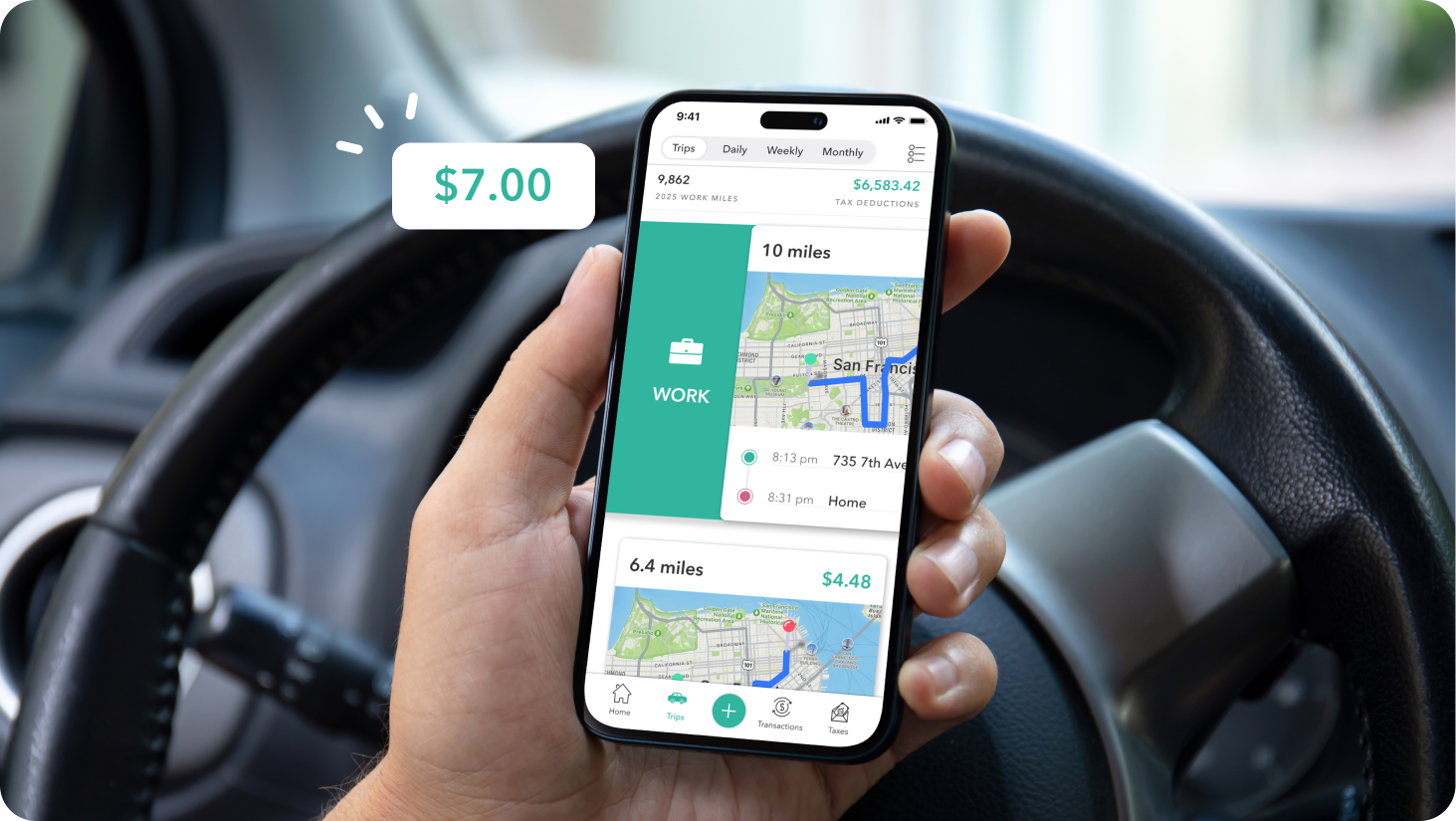
What is mileage reimbursement for small businesses?
Mileage reimbursement is the process of compensating employees for the business-related miles they drive using their personal vehicles. For small businesses, having a clear mileage reimbursement policy is essential. It ensures compliance with IRS rules, keeps employees fairly compensated, and simplifies expense reporting.
The most common way to reimburse mileage is by using the IRS standard mileage rate. For 2025, the rate is 70 cents per mile. This method is simple, widely accepted, and tax-compliant, making it the go-to choice for many small businesses.

Why mileage reimbursement matters for small businesses
Mileage reimbursement policies aren’t just about paying employees fairly, they also protect your business.

Employee satisfaction
Workers shouldn’t lose money for driving on behalf of the company

Tax compliance
Proper reimbursement prevents mileage payments from being considered taxable income

Accurate budgeting
Tracking mileage helps business owners understand travel costs and plan effectively

Audit protection
Documented mileage logs are critical if the IRS ever questions your expenses
Without a structured policy, reimbursements can become inconsistent, leaving room for errors and disputes.
Step-by-step guide to setting up mileage reimbursement

Define your policy
Decide which trips qualify (client visits, deliveries, site visits) and outline the reimbursement process

Use the IRS standard mileage rate
In 2025, reimburse employees at 70¢ per mile, or choose another compliant method like actual expenses or FAVR

Track business miles accurately
Employees should log the date, miles driven, destination, and purpose of each trip

Process payments quickly
Add reimbursements through payroll or direct deposit, ensuring records are stored for accounting
Common mileage reimbursement methods

IRS standard mileage rate

Actual expense method

FAVR (Fixed & variable rate)
Pros
Easy to apply, IRS-compliant
Reflects true costs (gas, insurance, repairs)
Custom, accurate for frequent drivers
Cons
Doesn’t reflect variable fuel/maintenance costs
Complex, requires receipts
More admin setup required
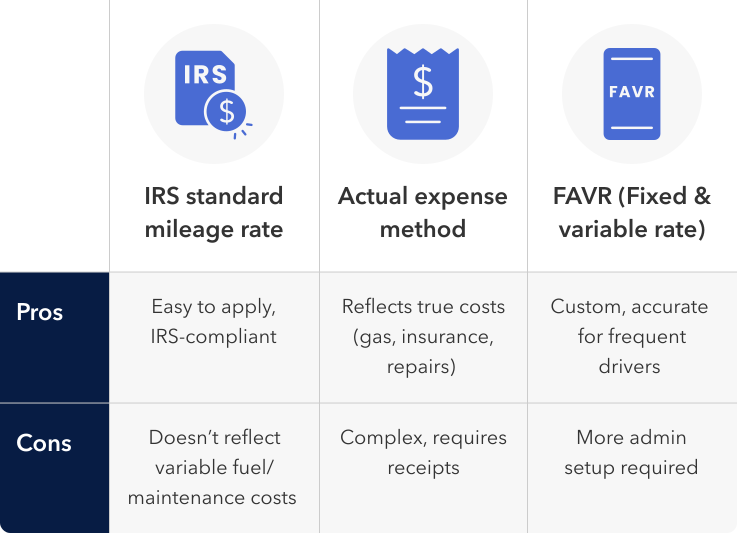
Most small businesses choose the IRS standard rate for simplicity, but companies with heavy-driving employees often benefit from FAVR.
Manual logs vs automated mileage tracking

Paper logs

Excel or Google sheets

Mileage tracking apps (Everlance)
Pros
Free, no setup required
Organized, sharable
Auto-detect trips, IRS-ready reports
Cons
Easy to lose, error-prone, can be faked
Still manual, requires discipline
Requires app installation
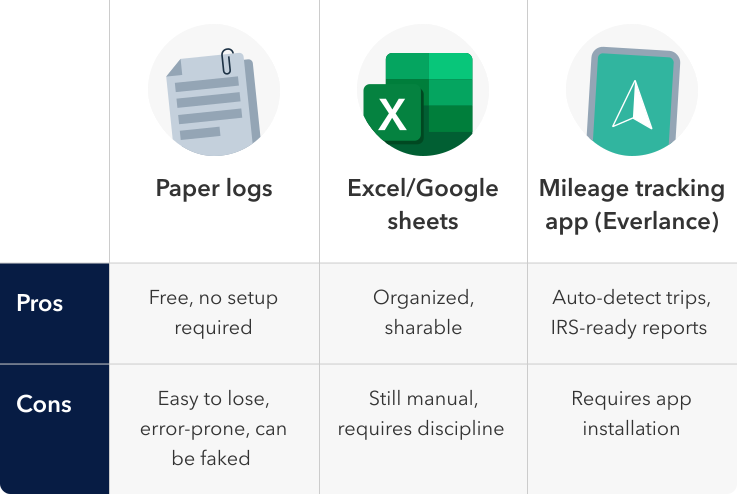
Everlance makes mileage reimbursement seamless by automatically logging every drive and generating audit-proof reports.
How Everlance simplifies mileage reimbursement for small businesses
Manually collecting mileage logs and calculating reimbursements wastes time. Everlance automates the entire process so small business owners and employees save hours.
Here’s how Everlance works:

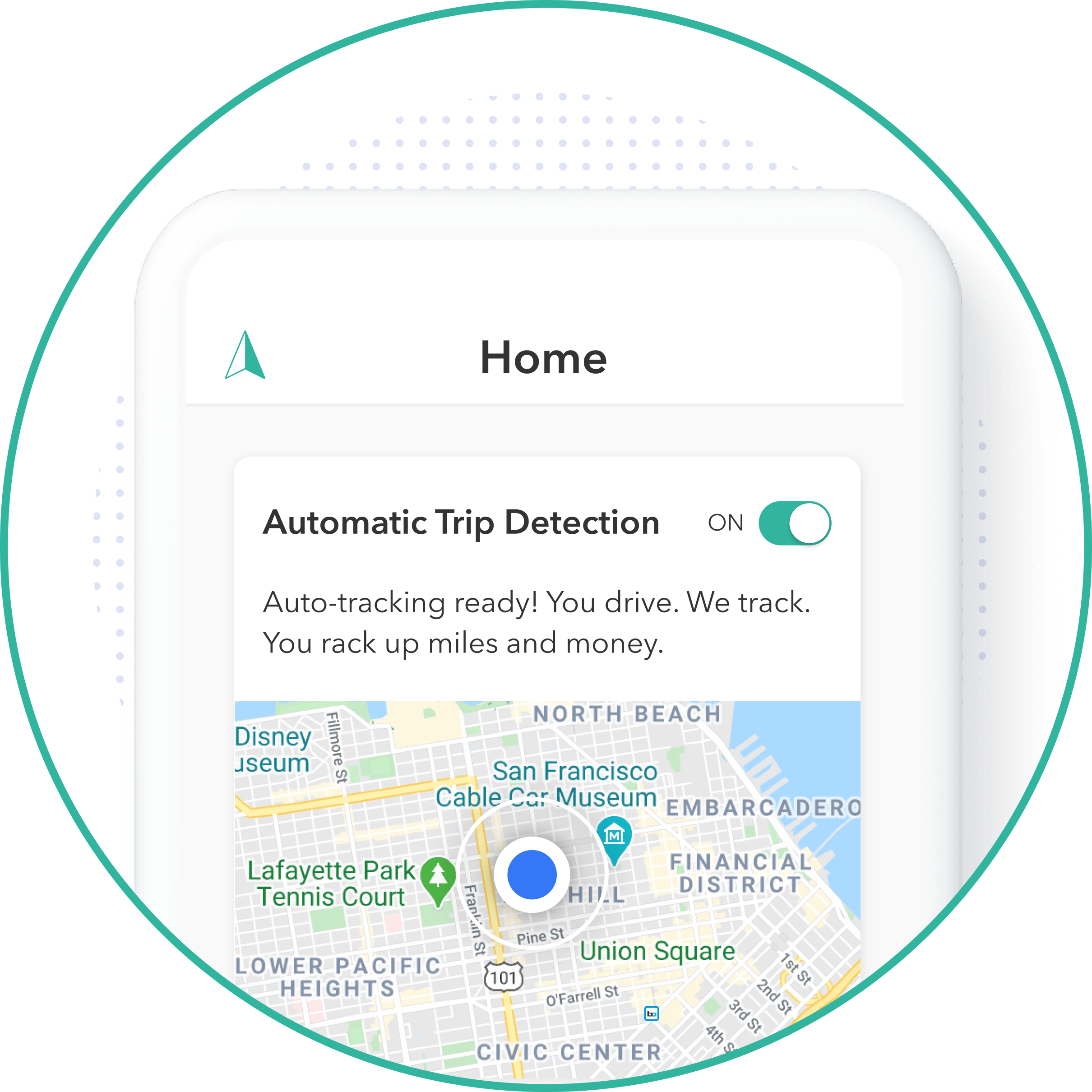
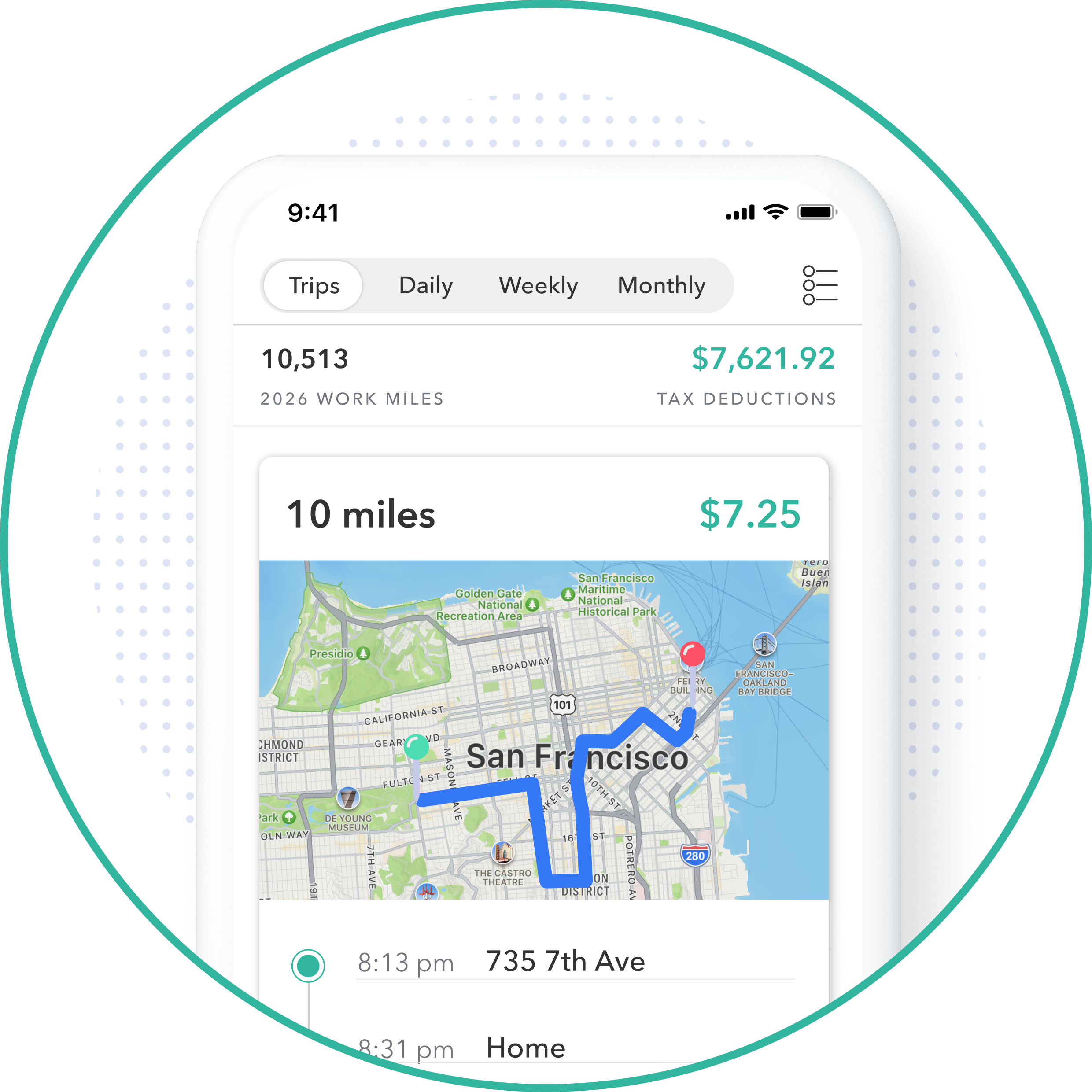


With Everlance, reimbursements are accurate, fast, and stress-free for both employers and employees.
Start using Everlance for mileage reimbursement today
Download for free“Before Everlance, we were buried in mileage spreadsheets. Now, reimbursements are accurate, and employees are happy.”
Jordan M.,
Delivery Business Owner

Free tools & resources for small business owners

IRS mileage rate updates
Stay compliant with the latest rates

Mileage deduction calculator
Estimate reimbursement costs per employee
These resources give small businesses the confidence to build a compliant, scalable system.
FAQs on small business mileage reimbursement
Is mileage reimbursement required by law?
Federal law doesn’t require reimbursement, but some states mandate it. Even when not required, it’s best practice to fairly compensate employees.
Is mileage reimbursement taxable?
Not if it follows an IRS accountable plan. If handled improperly, reimbursements may be treated as taxable wages.
What if employees don’t submit logs?
Without proper documentation, reimbursements may not qualify as tax-deductible. Apps like Everlance prevent this by tracking automatically.
How much should I reimburse employees?
Most businesses use the IRS standard rate (65.5¢/mile in 2025). Heavy-driving teams may benefit from FAVR.

“Our team logs trips automatically, and I approve reports in minutes. Everlance saves hours every month."
Priya S.,
Consulting Firm Manager
Start simplifying mileage reimbursement today
Mileage reimbursement doesn’t have to be complicated. With Everlance, small businesses can automate tracking, stay IRS-compliant, and keep employees happy.

Generate IRS-ready reimbursement reports


.svg)
