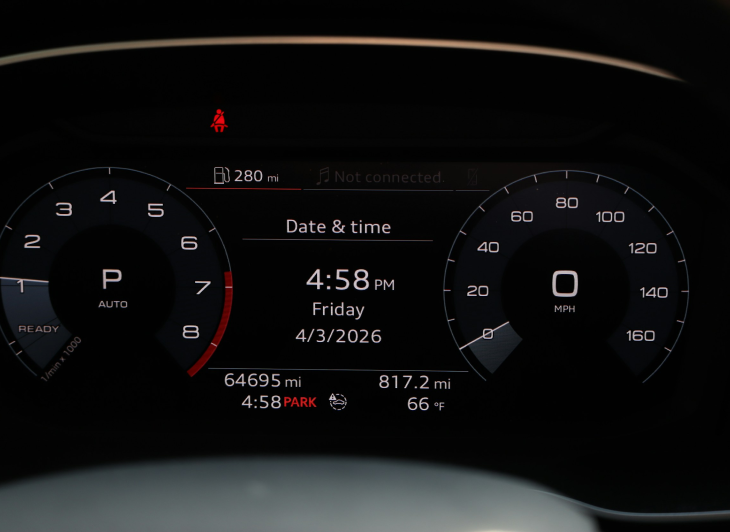

General Contractors & Construction Professionals

IRS Mileage Deduction for General Contractors

General contractors leave thousands in unclaimed mileage deductions on the table every tax season. Job sites, supplier runs, permit offices — every mile you drive for work is deductible, but only if it's logged.

Trusted by over 4 million drivers

4.8/5 on App Store
IRS-Compliant Reports
Automatic GPS Tracking
4M+ Self-Employed Users
SOC 2 Certified
IRS compliance

Every Mile Between Job Sites Is Money, Start Claiming What's Yours

Every drive a general contractor makes in service of a project, from pulling permits to hauling materials, qualifies as a deductible business mile under IRS rules. If the wheels are turning for work, the IRS recognizes it.

GPS mileage tracker
GPS mileage tracker
GPS mileage tracker
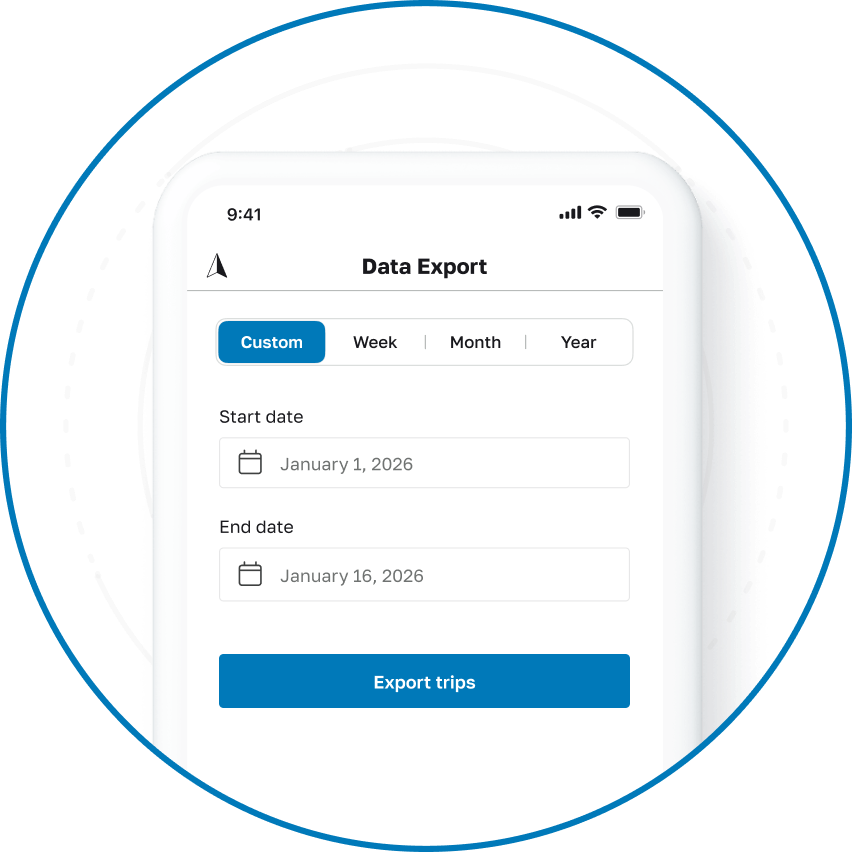
Export mileage
Export mileage
Export mileage

Job Site Visits

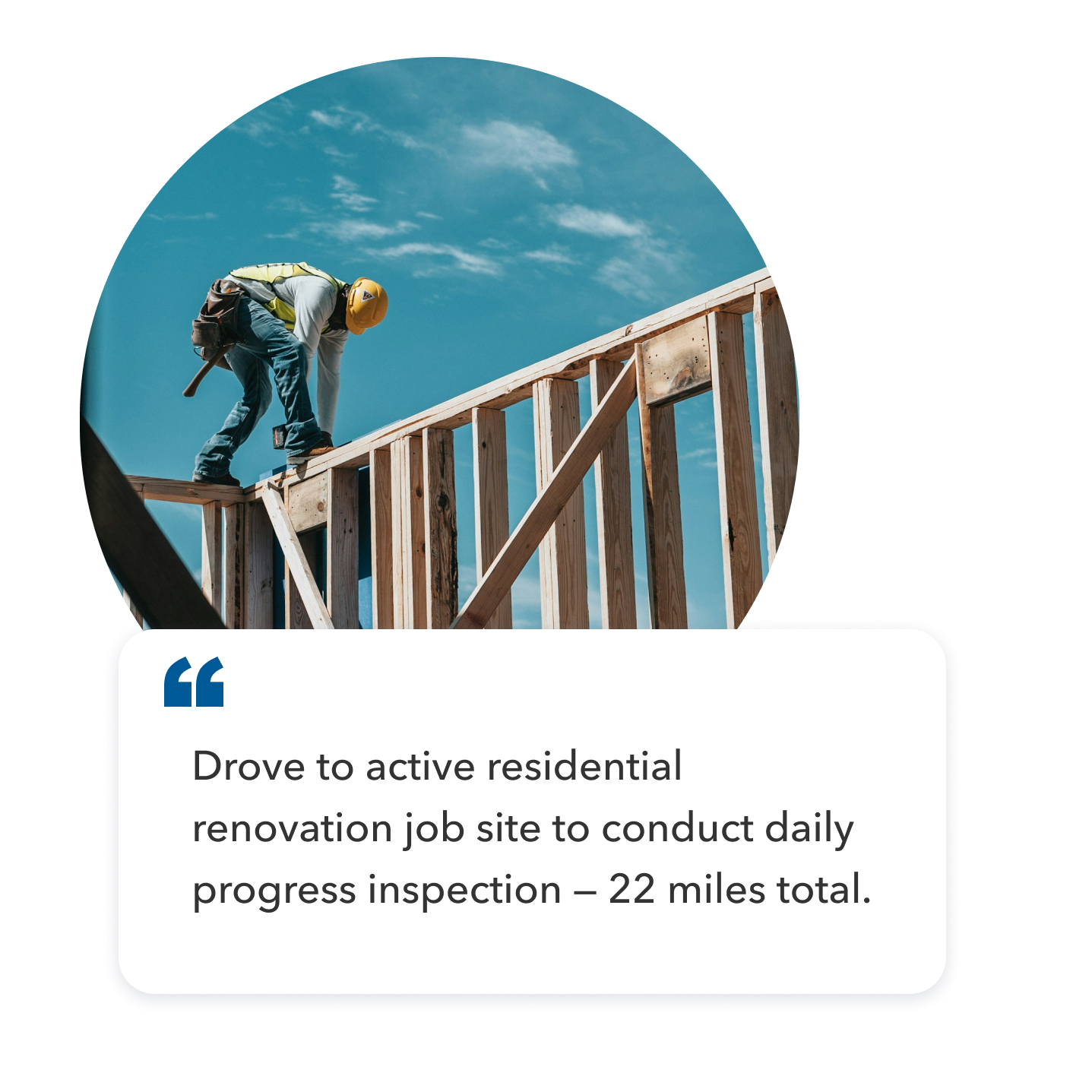
Every drive to an active job site counts toward your mileage deduction, whether it’s a daily site check, a progress walkthrough, or a final inspection before handoff. You don’t need to stop at your office between sites for each drive to qualify. As long as the trip serves your project and your business, it belongs in your log.
Everlance expense tracking app

Client & Architect Meetings

Driving to meet a client, architect, engineer, or design team to review project plans, sign contracts, or walk a site is fully deductible. These trips sit at the core of your revenue-generating activity, and the IRS recognizes them as such. Every mile driven to secure or manage a construction contract belongs in your mileage log.

Everlance expense tracking app

Supplier & Materials Runs

Every drive to a lumber yard, hardware store, plumbing supplier, or equipment rental location qualifies for a mileage deduction, from a quick screw run to a full materials haul for a new phase. If you’re making multiple supplier stops during the same trip, each leg of the route counts as deductible business mileage, stacking your logged miles significantly.

Everlance expense tracking app

Bidding & Estimating Drives

Driving to measure a property, assess a prospective job site, or deliver a bid to a potential client all qualify as deductible drives under IRS rules. The IRS recognizes pre-contract activity as a legitimate part of the contractor business model, meaning every mile you invest in building your project pipeline is just as deductible as the billable work itself.

Everlance expense tracking app

Subcontractor & Crew Coordination

Managing the people who build your projects is just as deductible as the builds themselves. Whether you're driving to a subcontractor's shop, a staging yard, or a secondary site to keep work on track, every coordination mile counts. The IRS treats crew oversight as ordinary and necessary, and so should your mileage log.

Everlance expense tracking app

Permit, Inspection & Municipal Visits

Driving to a permit office, municipal building department, or inspection location as the contractor of record is considered ordinary and necessary business activity by the IRS. Every mile driven to pull permits, attend required inspections, or resolve code compliance issues fully qualifies for a deduction, because without approvals, your projects simply can’t close.

Everlance expense tracking app
Estimate your 2026 deduction

What Could Your Mileage Deduction Be Worth This Year?

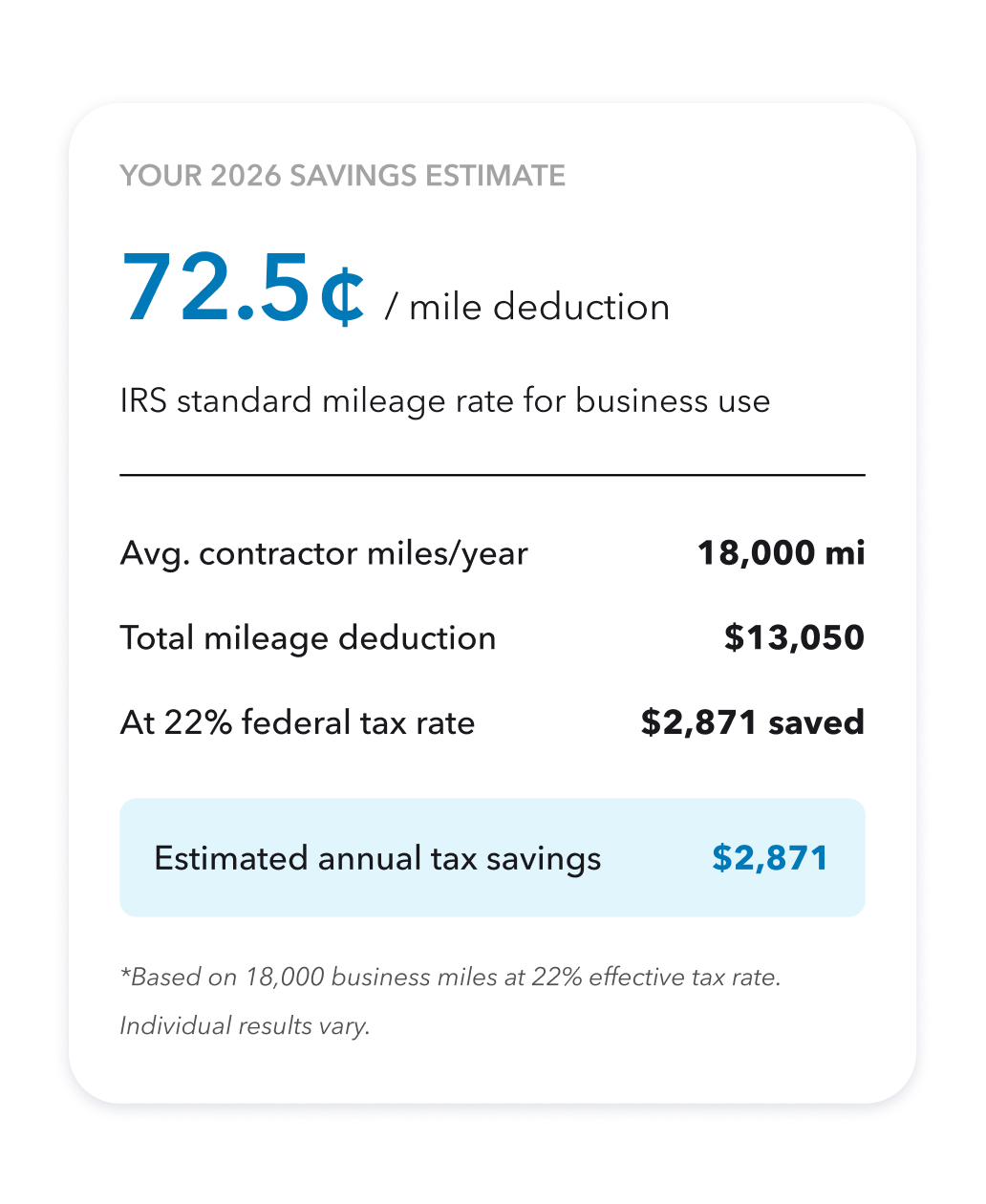
General contractor mileage deductions add up faster than most builders realize. A full-time contractor juggling multiple active projects, site inspections, lumber yard runs, permit offices, and subcontractor check-ins, can realistically log 18,000 to 25,000 deductible miles in a single year. At the current IRS standard mileage rate, that translates to a deduction worth $13,050 to $18,125. High-volume contractors pushing 35,000 miles annually are looking at $25,375 back in their pocket, but only if every mile is tracked and documented.

Estimate my savings
Annual business miles 22,000
1,000 25,000 50,000
Federal tax rate 22%
10% 22% 37%

Estimated annual tax savings

$3,509

($15,950 total deduction)

Start Tracking — It's Free

âś“ 2026 IRS Rate: 72.5¢ per mile  Â·  General contractors typically log 18,000–25,000 business miles per year.

IRS compliance

The IRS Demands Mileage Logs, Not Memories

When general contractors lose mileage deductions in an audit, it almost always comes down to the same problem, trips reconstructed from memory weeks or months after the fact instead of logged in real time. The IRS has a name for this standard: the contemporaneous record requirement, and it applies to every single mile you claim on your return.

Miles driven

Log the exact distance for every trip. Automatic GPS tracking captures each mile precisely, no odometer readings or manual math required.

Business purpose

Site inspection at 412 Oak St renovation.' Vague entries like 'work' or 'job' won't survive an IRS audit.

Date of the trip

The IRS cross-references trips against permit records and inspection logs. Every entry needs a specific, verifiable date.

Starting & ending location

GPS-captured coordinates are your strongest audit defense. Log the exact address for every job site and supplier visit.

Date of the trip

The IRS cross-references trips against permit records and inspection logs. Every entry needs a specific, verifiable date.

Starting & ending location

GPS-captured coordinates are your strongest audit defense. Log the exact address for every job site and supplier visit.

Business purpose

Site inspection at 412 Oak St renovation.' Vague entries like 'work' or 'job' won't survive an IRS audit.

Miles driven

Log the exact distance for every trip. Automatic GPS tracking captures each mile precisely, no odometer readings or manual math required.

Common questions

General Contractor Mileage Deduction — FAQ

Answers to the most common questions general contractors and construction professionals ask about IRS mileage deductions. Each answer is written to give you a clear, actionable response — not tax jargon. For advice specific to your situation, consult a qualified CPA or tax professional.

The IRS sets a standard mileage rate for business use each year, and as a self-employed general contractor or independent construction professional, you can deduct that rate for every mile driven for business purposes — including job site visits, client meetings, supplier runs, bidding drives, permit office trips, and subcontractor coordination. The rate applies to sole proprietors filing Schedule C and to single-member LLCs treated as sole proprietorships. Most general contractors qualify as self-employed rather than employees, which makes the full standard mileage deduction available on your federal return. Check the IRS website or consult your CPA each January for the current year's rate.

Yes. Travel from your home office or business address to any active job site is fully deductible at the current IRS standard mileage rate. This includes daily site checks, progress walkthroughs, subcontractor supervision visits, and final inspections before project handoff. When you're running multiple job sites in a single day — which is routine for contractors managing several active projects — every leg of the route counts as deductible business mileage. You're not required to return to your office between sites. Automatic GPS tracking captures each segment of a multi-stop drive, so no mileage is missed even on your busiest days.

Yes. Driving to a lumber yard, hardware store, plumbing supplier, equipment rental house, or any vendor to purchase or pick up materials for a project is considered ordinary and necessary business activity under IRS Publication 463, and it qualifies for the standard mileage deduction. Log each supplier run with a brief note: "drove to lumber yard and hardware store to pick up framing materials for active renovation." That level of specificity is sufficient for IRS purposes and protects your deduction in the event of an audit.

The average general contractor drives between 15,000 and 30,000 business miles per year, depending on the number of active projects, geographic spread of job sites, and frequency of supplier and client trips. Applied to the current IRS standard mileage rate, that range represents a substantial deduction — and at a 22% federal tax rate, the resulting tax savings can reach into the thousands annually, plus any applicable state deductions. Contractors managing multiple simultaneous projects across a wide service area tend to accumulate mileage at the higher end. Every mile you fail to track is a deduction you're giving back to the IRS unnecessarily.

Yes. Driving to measure a prospective job site, conduct a walkthrough for a potential client, or deliver a bid in person is considered ordinary and necessary business activity under IRS rules. Pre-contract drives are fully deductible because the IRS recognizes that winning work requires showing up before a contract is signed. Log each estimating drive with a specific note identifying the property address and purpose. This protects your deduction and demonstrates a clear business objective even when the project did not ultimately proceed.

Driving from your home to a permanent office or yard location that serves as your principal place of business is treated as a non-deductible commute under IRS rules. Personal errands run during business trips also do not qualify for the personal portion of the drive. However, if you maintain a qualifying home office under IRS rules — a space used regularly and exclusively for business — then travel from your home directly to a job site, client, or supplier is generally deductible from the moment you leave your driveway. Establishing a legitimate home office is one of the most impactful tax moves a self-employed contractor can make.

Yes — and this is non-negotiable. The IRS requires contemporaneous mileage records, meaning each trip must be logged at or near the time it occurs, not reconstructed later. Your log must include the date, starting and ending location, business purpose, and total miles for every trip. Without these records, your entire mileage deduction is at risk of disallowance during an audit, even when the underlying trips were completely legitimate. General contractors are particularly vulnerable here because large deductions spread across many project sites invite added scrutiny. Automatic GPS tracking eliminates this risk by capturing every drive the moment your vehicle starts moving. Each trip is timestamped and geo-verified, giving you an audit-proof log that fully satisfies IRS contemporaneous documentation standards.

Most general contractors benefit more from the standard mileage rate because it requires far less record-keeping and typically produces a larger deduction than tracking actual vehicle operating costs like fuel, insurance, registration, and depreciation. The actual expense method can occasionally yield a higher deduction for contractors who operate a newer, high-cost work vehicle with significant depreciation, but the administrative complexity is considerably greater.

There is one critical rule: you must choose the standard mileage method in the first year you place a vehicle in business service. Once you use the actual expense method for a vehicle, you generally cannot switch back to the standard mileage rate for that vehicle in future years. Consult your CPA in year one to choose the method that best fits your fleet and business situation.

Stop Leaving Money on the Table

Automatic GPS tracking captures every deductible mile and generates your IRS-compliant report instantly.