If you drive for Uber, Lyft, DoorDash, or Instacart, you already know that every dollar counts. Fuel, maintenance, and wear-and-tear eat into your earnings - but one of the biggest hidden costs is car insurance. Most gig drivers either overpay for coverage they don't need or, worse, drive with a personal policy that won't actually cover them when it matters.
The good news: rideshare and delivery insurance doesn't have to break the bank. Here's what you need to know to find the cheapest coverage that actually protects you on the road.
Here's the uncomfortable truth most drivers don't discover until they file a claim: standard personal auto insurance excludes commercial activity. The moment you turn on the Uber or DoorDash app, you're technically using your car for business - and most personal policies have a specific exclusion for that.
That means if you get into an accident while waiting for a ride request or delivering an order, your insurer can deny your claim entirely. You'd be on the hook for repairs, medical bills, and liability out of pocket.
The fix is straightforward: you need either a rideshare endorsement (an add-on to your personal policy) or a commercial/hybrid policy designed for gig drivers.
The Cheapest Options for Rideshare and Delivery Drivers
Not every insurer offers rideshare coverage, and prices vary wildly.

Mercury - Starting around $0.90/day (~$27/month), Mercury consistently offers some of the lowest rideshare endorsement rates in the states where it operates. If you're in California, it's worth quoting first.
USAA - If you or a family member has military service history, USAA's rideshare add-on can run as low as $6/month on top of your existing policy. It's the cheapest option available, but eligibility is limited.
Erie Insurance - Erie offers strong delivery driver coverage starting around $92/month for liability in the states it serves (mostly East Coast and Midwest). If you drive for DoorDash or Instacart, Erie is worth a look.
Progressive - One of the most widely available rideshare endorsements in the country. Progressive's add-on is typically $15-$30/month depending on your state and driving record. They also cover the "gap" periods (app on, waiting for a request) that other insurers sometimes skip.
American Family - Competitive rates for rideshare drivers with multiple coverage tiers, so you can scale protection to match how many hours you actually drive.
State Farm and GEICO - Both offer rideshare endorsements in most states. Neither is the absolute cheapest, but their broad availability and bundling discounts (renters, multi-car) can make them cost-competitive once you factor everything in.
For most part-time gig drivers, a rideshare endorsement is all you need. It's a low-cost add-on (typically $15-$30/month) that extends your personal policy to cover you while the app is on.
A full commercial policy makes more sense if you drive 30+ hours per week across multiple platforms, use a vehicle exclusively for gig work, or want higher liability limits. Commercial policies run $150-$300/month but offer broader, more robust protection.
Quick rule of thumb: If gig driving is your side hustle, go with an endorsement. If it's your full-time income, price out a commercial policy.
1. Compare rates across at least 3-5 carriers. Insurance pricing varies significantly by ZIP code, driving history, and vehicle. A carrier that's cheapest in Texas might be expensive in Florida. Tools like TrueFactor let you compare actual insurance rates filed with state regulators - so you can see what carriers are really charging in your area before you even request a quote.
2. Bundle your policies. Most carriers offer 5-15% discounts when you bundle auto with renters or homeowners insurance. If you're already paying for renters insurance, make sure it's with the same carrier.
3. Raise your deductible. Going from a $500 to a $1,000 deductible can reduce your premium by 15-25%. Just make sure you can cover the deductible out of pocket if you need to file a claim.
4. Maintain a clean driving record. Tickets and at-fault accidents can spike your rates for 3-5 years. Some carriers offer accident forgiveness programs worth asking about.
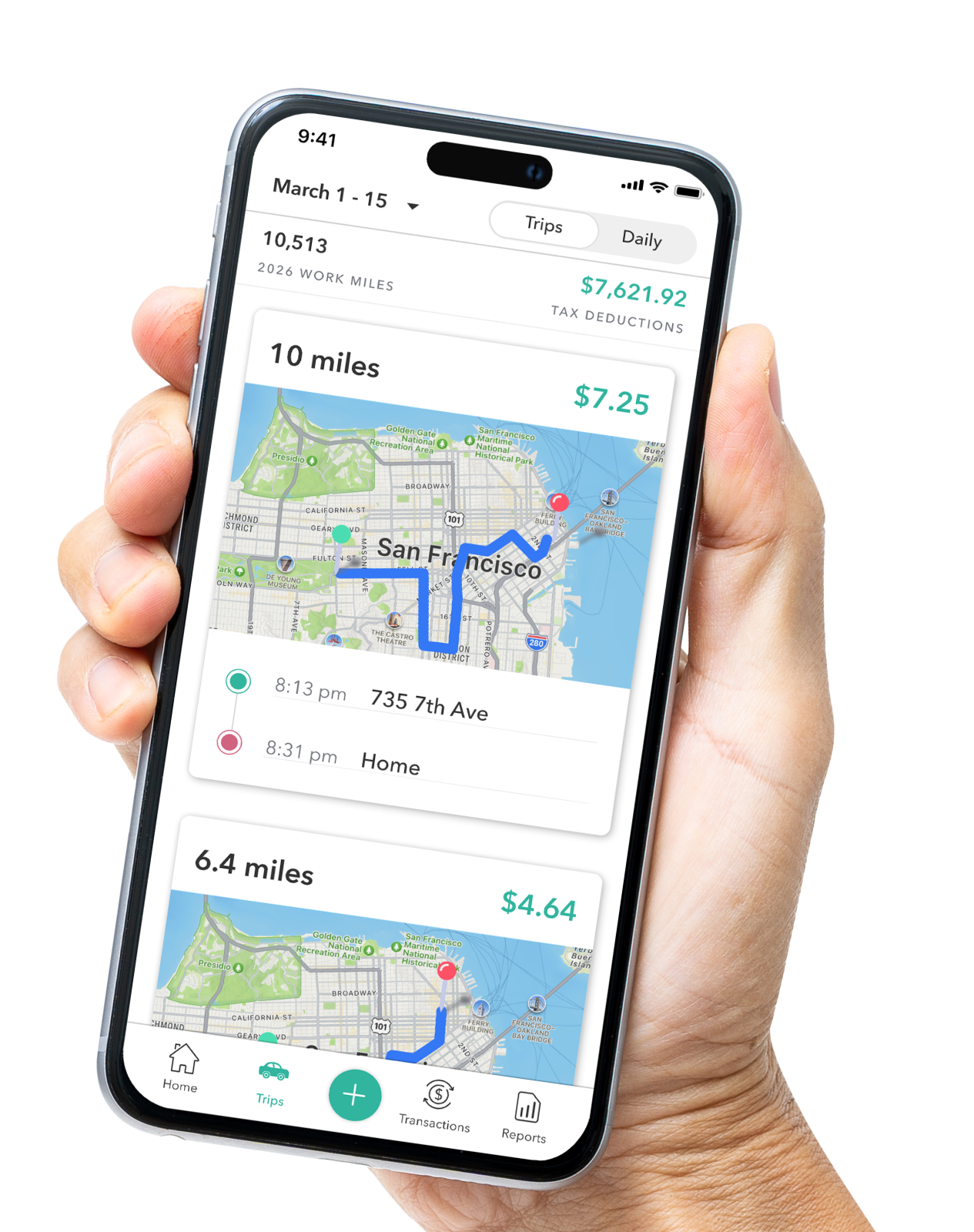
5. Track your mileage. This one matters for two reasons. First, some insurers offer low-mileage or pay-per-mile discounts. Second - and this is important at tax time - every business mile you drive is deductible at $0.725/mile in 2026.
An app like Everlance makes it easy to track every mile automatically so you're not leaving money on the table.
What About the Coverage Uber and DoorDash Provide?
Both Uber and DoorDash carry insurance policies that cover their drivers - but only under specific conditions:
· Period 1 (app on, waiting for a request): Uber provides limited liability coverage. DoorDash provides none. Your personal policy almost certainly excludes this period. This is the gap a rideshare endorsement fills.
· Period 2 (request accepted, en route to pickup): Uber and DoorDash provide $1M liability coverage.
· Period 3 (passenger in car / delivery in progress): Full coverage from the platform, including liability and contingent collision.
The critical gap is Period 1. You're using your car for commercial purposes, but neither your personal insurer nor the platform is covering you. That's precisely what rideshare endorsements are designed for.
The Bottom Line
The cheapest rideshare insurance isn't always the lowest monthly premium - it's the policy that actually covers you when you need it without paying for extras you don't. For most gig drivers, a rideshare endorsement from Mercury, USAA, Progressive, or Erie will keep costs under $30/month while closing the dangerous coverage gap in Period 1.
Start by checking whether your current carrier offers a rideshare endorsement. If they don't - or if the price seems high - get quotes from the carriers listed above. And don't forget: every mile you drive for work is a tax deduction worth tracking.
Do I need special insurance to drive for Uber or DoorDash?
Yes. Standard personal auto insurance policies exclude commercial use. The moment you turn on the Uber or DoorDash app, your personal policy likely no longer covers you. You need either a rideshare endorsement (an affordable add-on to your personal policy) or a commercial/hybrid policy designed for gig drivers. Driving without the right coverage puts you at risk of having claims denied entirely.
How much does rideshare insurance cost per month?
A rideshare endorsement typically costs $15–$30 per month on top of your existing personal policy. The cheapest options in 2026 include Mercury (starting around $0.90/day, or roughly $27/month), USAA (as low as $6/month for eligible military members), and Progressive ($15–$30/month). A full commercial policy costs more , usually $150–$300/month — but covers higher-volume and full-time gig drivers more comprehensively.
What is “Period 1” coverage and why does it matter?
Period 1 is the window when your app is on but you have not yet accepted a ride or delivery request. This is the most dangerous coverage gap for gig drivers: your personal insurance excludes it because you are engaged in commercial activity, and DoorDash provides no coverage at all during this period. Uber offers only limited liability. A rideshare endorsement is specifically designed to fill this gap, which is why it is the single most important add-on for any driver working on a gig platform.
Can I use the same insurance policy for both Uber and DoorDash?
In most cases, yes. A rideshare endorsement or commercial/hybrid policy generally covers you across multiple gig platforms, including Uber, Lyft, DoorDash, and Instacart,because it is tied to your commercial vehicle use rather than to one specific app. That said, always confirm with your insurer that your policy explicitly covers all platforms you drive for, as language can vary by carrier and state.
What is the difference between a rideshare endorsement and a commercial auto policy?
A rideshare endorsement is a low-cost add-on (typically $15–$30/month) that extends your existing personal auto policy to cover commercial gig activity. It is the right choice for part-time drivers. A commercial auto policy is a standalone policy with higher liability limits and broader protection, costing $150–$300/month. It makes more sense if you drive 30 or more hours per week, use your vehicle exclusively for gig work, or operate across multiple platforms full time.
Which insurance company is cheapest for DoorDash drivers in 2026?
The cheapest option depends on your state, driving record, and vehicle. In 2026, Mercury consistently ranks among the most affordable for delivery drivers, starting around $0.90/day in the states where it operates. USAA is the cheapest outright for those who qualify. Progressive and Erie offer strong delivery driver coverage with broad availability. The best approach is to quote at least three to five carriers in your area, since rates vary significantly by ZIP code.
Can my insurer drop me or raise my rates if they find out I drive for Uber or DoorDash?
Potentially, yes. Some insurers can non-renew or cancel your policy if they discover you are using your vehicle for commercial purposes without disclosing it. More commonly, a claim filed during a gig driving period will simply be denied. The safest course is to proactively disclose your gig work to your insurer and ask about a rideshare endorsement. If your current carrier does not offer one, it is time to shop for a carrier that does.
Is the mileage deduction for gig drivers worth tracking?
Absolutely. The IRS standard mileage rate for 2026 is $0.725 per mile for business use. If you drive 500 miles a week for gig work, that adds up to more than $18,000 in deductible miles over the course of a year — a significant reduction to your taxable income. A mileage tracking app like Everlance logs every trip automatically so you have accurate records at tax time without any extra effort.
Over 4 million gig drivers trust Everlance to track miles, maximize deductions, and simplify their self-employment taxes.


.webp)

.svg)


.svg)
