
Mileage Tracker for Healthcare and Home Care Workers
Every mile between patients, facilities, and homes counts.
Whether you're traveling between hospitals, clinics, or patients' homes, every business mile is automatically tracked to maximize reimbursements and simplify tax deductions

$3,500+
25,000+
30%
4.8/5
Everything healthcare and home care workers need to know about mileage tracking
Your focus belongs on patients, not paperwork, but the miles you drive between patients, facilities, and trainings are worth real money. The only way to collect that money is to log those miles. Whether you're a home health aide, visiting nurse, physical therapist, or social worker, understanding mileage tracking is one of the most financially impactful things you can do.
What is a mileage tracker for healthcare workers and why does it matter?
Mileage tracking for healthcare workers means recording every work-related mile driven while providing patient care or fulfilling professional duties. A proper log documents the date, locations, miles, and trip purpose, meeting IRS requirements for tax deductions or employer requirements for reimbursement.
For home care and healthcare workers, driving is part of the job. Visiting nurses, home health aides, therapists, and social workers travel constantly between patients, facilities, and offices. Every one of those drives is a qualifying business mile deductible, reimbursable, or both.
The financial stakes are real. Workers who actively track mileage routinely uncover thousands in unclaimed deductions or reimbursements annually. Without a proper log, the IRS can disallow deductions entirely, and employers cannot reimburse undocumented miles.
A dedicated mileage tracker app solves this automatically. GPS logs every trip the moment you start driving — no manual entry, no reconstructed routes just accurate, timestamped records ready for tax time or reimbursement.
How an automatic mileage tracker works for healthcare professionals?
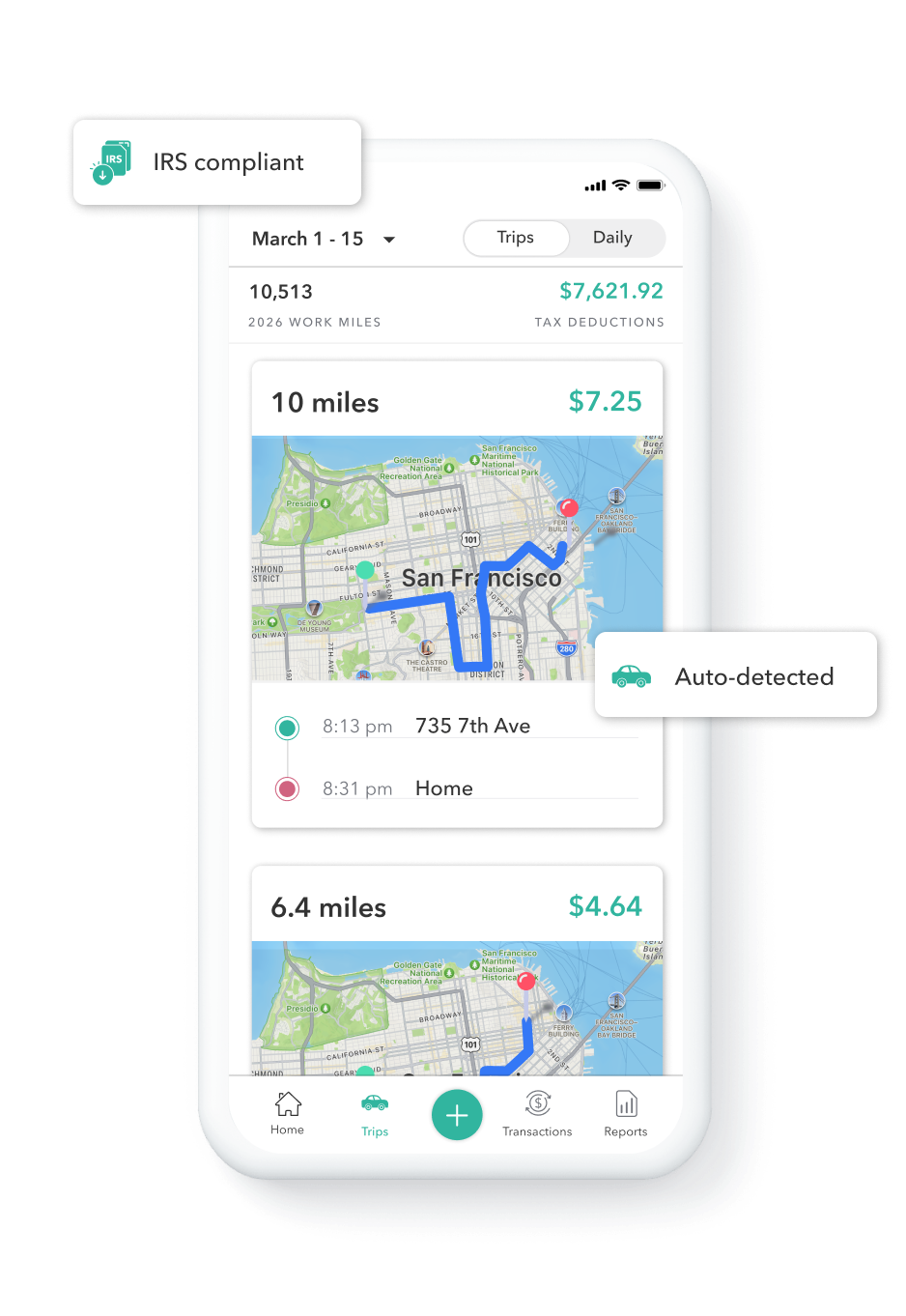
A GPS mileage tracking app uses your smartphone's location and motion sensors to automatically detect and record every drive in real time, the only reliable way for healthcare workers to capture every work mile without breaking focus.
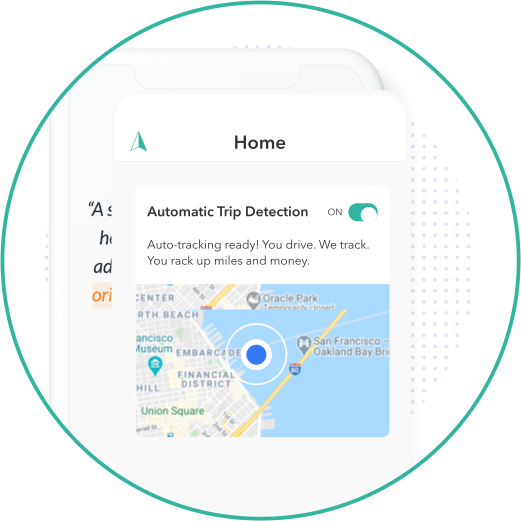
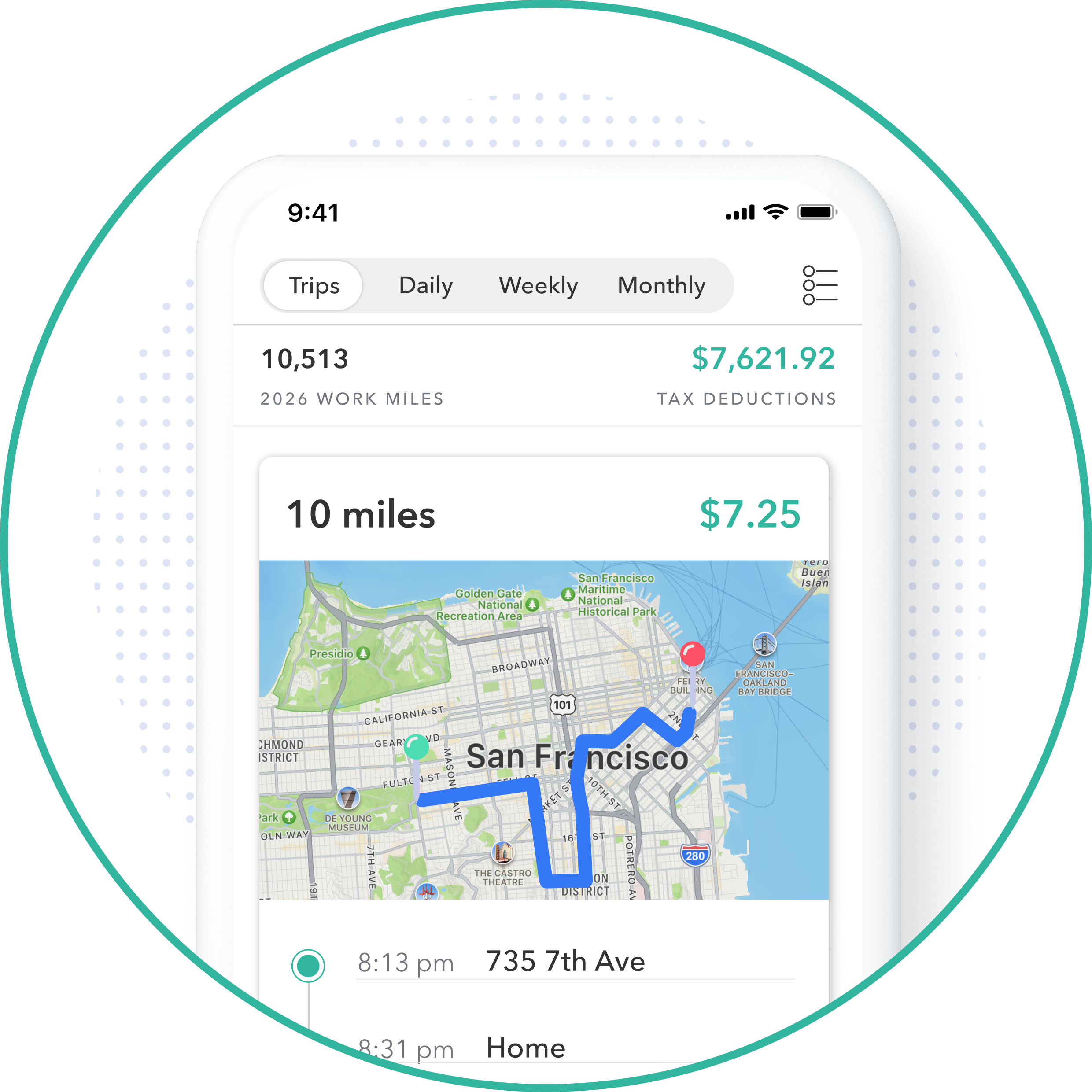
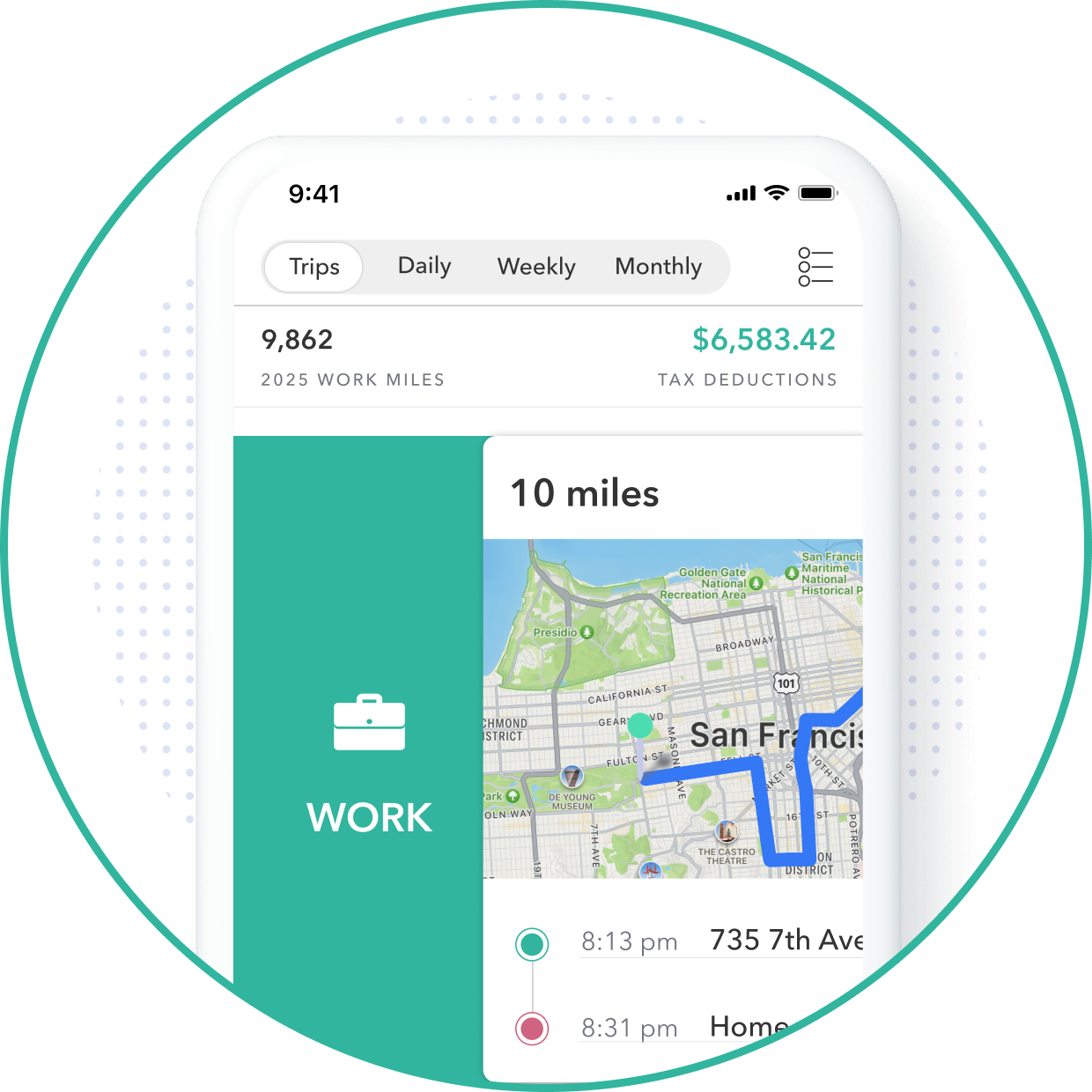
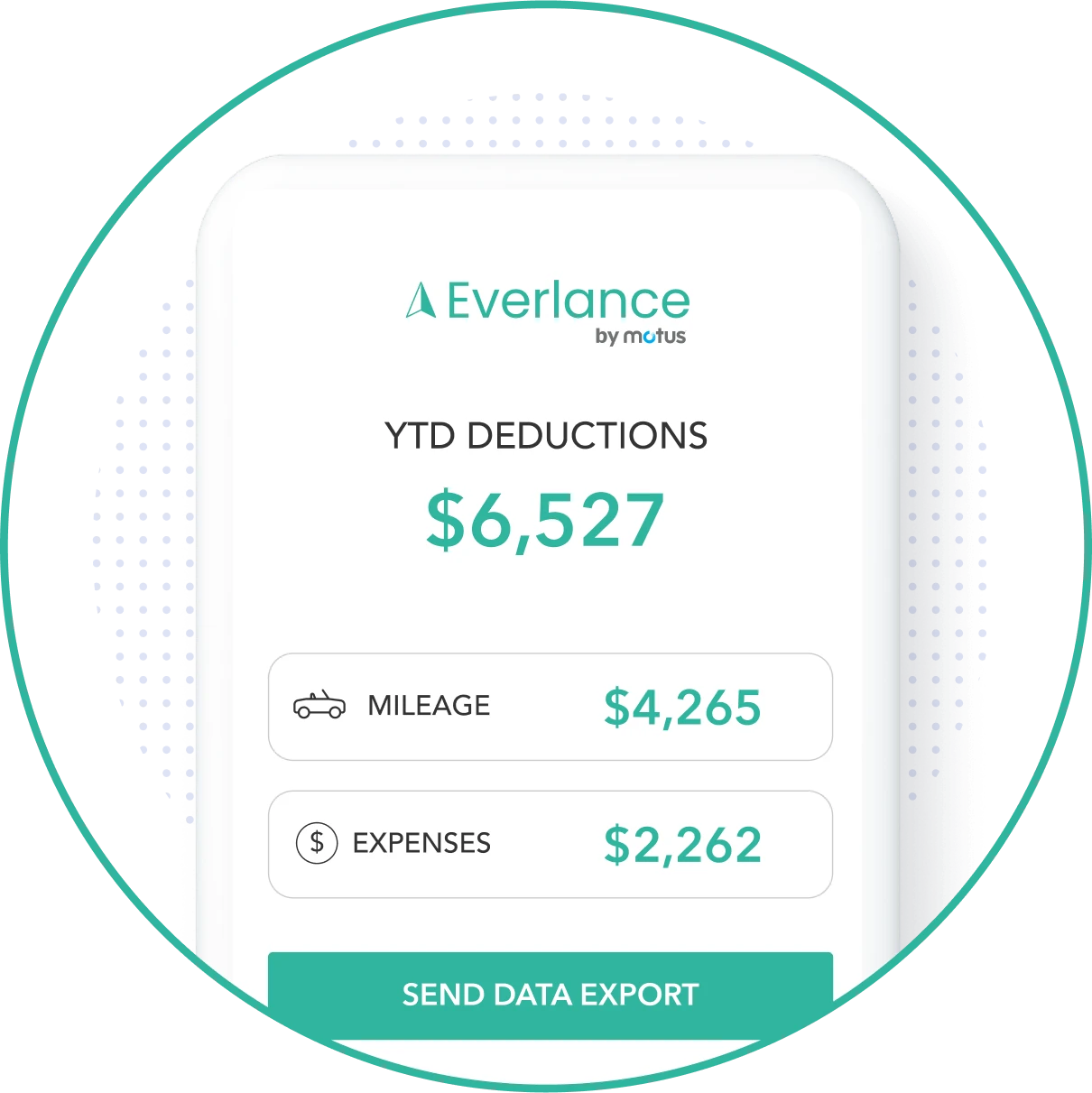
Every patient visit logged. Every mile accounted for.
This is what automatic mileage tracking looks like in the app for a home health or healthcare worker, and what your annual deduction or reimbursement value could look like. Adjust the sliders to reflect your actual caseload and tax situation.
Your 2026 mileage savings estimate
Current IRS rate applied
Estimated total tax savings
$6,061
Federal and state combined
Healthcare workers drive more for work than almost any other profession. Most aren't capturing it all.
Home health and visiting healthcare professionals are among the highest-mileage workers in the country, often accumulating 20,000 to 30,000 work-related miles annually. That mileage has substantial financial value, but only if properly documented. Most healthcare workers claim a fraction of what they're entitled to simply because the log was never kept.
Your employer's records don't cover your full mileage

The IRS mileage rate makes every patient visit mile count

Shift-based driving is exactly where manual logs break down
The miles that get missed most often are the ones that add up fastest
The biggest documentation gaps aren't the long drives, those get remembered. It's the short drives that stack up and vanish from memory by end of shift. The four miles from Patient A to Patient B. The six-mile supply pickup. The eight-mile detour to an unfamiliar facility. Individually small, collectively significant. Automatic GPS tracking captures every one of them the moment your car moves no input needed, no matter how short the trip or how demanding the shift.
Qualifying trip types:

Property showings — each leg is a separate deductible trip
Listing appointments and CMA presentations
Open house setup, signage, and hosting runs
Neighborhood farming and prospecting drives
Client meetings at any location
Home inspections, appraisals, and photo shoots
Continuing education and broker training
Title company, lender, and escrow visits
Qualifying trip types for healthcare and home care workers

How mileage tracking for healthcare workers feeds into your taxes and reimbursements
Healthcare workers have two distinct financial reasons to track mileage carefully: tax deductions and employer reimbursement. Depending on your employment status, either one or both apply to you. Employees who receive a reimbursement below the IRS rate, or no reimbursement at all, may be able to deduct unreimbursed mileage. Independent contractor healthcare workers, including many home health aides, private duty nurses, and contract therapists, report vehicle mileage directly on Schedule C. In all cases, accurate, contemporaneous mileage records are the foundation that makes either benefit accessible.
Mileage deductions for employees vs. independent contractor healthcare workers
Independent contractors and self-employed healthcare workers filing Schedule C can deduct mileage directly against business income, reducing net income before both federal income tax and self-employment tax are calculated.
W-2 employees face more limitations under current tax law. The Tax Cuts and Jobs Act of 2017 suspended federal deductions for unreimbursed employee business expenses through at least 2025, though some states still allow them on state returns. Employer reimbursements remain tax-free when properly documented, making mileage tracking just as important for W-2 workers.
Regardless of classification, the first step is confirming your employment status and employer reimbursement policy. The second is ensuring every qualifying mile is documented. An automatic mileage tracker handles that second step for every healthcare worker, without any additional effort.
Updated each year by the IRS
Covers gas, insurance, depreciation & maintenance. Applies to all qualifying work-related miles for independent contractor healthcare workers
A full-time home health or visiting care worker completing approximately 500 work-related miles per week accumulates around 25,000 miles across a calendar year. At the current IRS standard mileage rate, that volume represents a substantial annual deduction or reimbursement amount. Every mile that goes unlogged is value permanently left unclaimed.
Mileage reimbursement for healthcare workers: what qualifies and what the records need to show
Whether submitting to an employer or supporting a Schedule C deduction, the documentation standard is the same: contemporaneous records with complete trip-level detail. Most healthcare workers know they should track mileage, far fewer do it in a way that holds up when it counts.
Employer reimbursements must meet IRS accountable plan rules to remain tax-free. That means documenting the date, start point, destination, distance, and business purpose of every trip within 60 days. Unsubstantiated reimbursements are treated as taxable wages.
Many agency scheduling systems only capture miles between scheduled appointments, leaving supply runs, facility detours, and shift-end drives undocumented and unreimbursed. For independent contractors, IRS Publication 463 requires all six log elements to be present. Logs reconstructed from calendars or schedules carry real audit risk and routinely undercount actual miles.
Automatic GPS tracking eliminates all of this by creating a complete, contemporaneous record from the moment your vehicle moves.





IRS Compliance Checklist


Date of the trip
Required for both IRS deduction substantiation and employer accountable plan reimbursement. Schedules and appointment records are not a substitute for a timestamped mileage entry.

Starting & ending location
GPS-verified start and end coordinates provide objective, auditor-grade documentation that is independent of scheduling systems and personal recollection.

Total miles per trip
GPS-calculated distances eliminate estimation and odometer error. Consistent, precise mileage figures do not raise the questions that rounded or estimated figures attract in a review.

Specific business purpose
Entries such as "home health visit, patient care" or "care coordination meeting at skilled nursing facility" are specific enough to satisfy both IRS and employer documentation standards. Blanket labels such as "work" are not.
What healthcare workers need to know about mileage reimbursement and compliance

Agency scheduling systems don't capture your full mileage
Agency scheduling platforms record appointments, not actual driving. First-leg trips, unscheduled detours, and return drives go uncaptured, costing workers logging 400+ weekly miles thousands of undocumented, unreimbursed miles every year.

Mileage reimbursement is tax-free when properly documented
Proper documentation works both ways, it maximizes what you receive and keeps it tax-free. Without it, a compliant accountable plan reimbursement can become taxable income.

Multi-agency and multi-employer tracking requires a unified log
Workers contracting with multiple agencies need one log capturing all work-related driving. An automatic mileage app records every drive regardless of employer, with custom categories for separate reimbursement submissions.

IRS-compliant report format
A mileage tracking app generates PDF, Excel, and CSV reports meeting IRS Publication 463 requirements, accepted by employers for reimbursement processing and by tax preparers for Schedule C deduction substantiation.

Audit readiness for high-mileage filers
A GPS-verified mileage log is your strongest audit defense, protecting Schedule C deductions for independent contractors and the tax-free status of employer reimbursements for W-2 employees alike.
Mileage tracking FAQs for healthcare and home care workers
Answers to the questions nurses, home health aides, therapists, social workers, and other healthcare professionals ask most often about mileage tracking, reimbursement, and tax deductions. For advice specific to your situation, consult a qualified CPA or tax professional.
.svg)
Still have questions?
Explore the full resource library: IRS rate guides, mileage log templates, reimbursement compliance guides, and healthcare-specific tax walkthroughs all in one place.

Your patient visits deserve to be tracked automatically.
Automatic GPS tracking captures every patient visit, supply run, and facility trip. IRS-ready instantly.


.svg)
