


AirBnB Host Earnings Guide
A realistic look at Airbnb host earnings, what affects your income, and how to increase profits while managing taxes.
How much can you make on AirBnB?
AirBnB lets you earn money by renting out a room, apartment, or entire property to guests from around the world. Whether you’re offering a spare bedroom or managing multiple listings, AirBnB provides an easy way to generate passive or active income from real estate.
How AirBnB hosts get paid
As a host, you set your own nightly rate, cleaning fee, and availability calendar. When a guest books your space, AirBnB collects payment from the guest and releases the payout to you 24 hours after check-in. You’re responsible for providing a clean, safe, and accurate experience based on your listing.
Hosts typically earn money from:
- Nightly rates
- Cleaning fees
- Extra guest fees
- Long-term booking discounts
You’ll also be rated by guests on cleanliness, communication, accuracy, check-in experience, and overall value.
Average earnings for AirBnB hosts
How much you earn depends on your location, type of property, amenities offered, and occupancy rate. According to AirBnB's own data and third-party host reports:
- Private rooms can bring in $30 to $80 per night
- Entire apartments typically earn $100 to $300 per night
- Homes in popular tourist cities or event-heavy areas may earn $300 to $1,000+ per night
Hosts in high-demand markets with quality listings and good reviews can often earn $2,000 to $5,000 per month or more, especially if their calendar stays full.
What affects your AirBnB income
Location and seasonality
Urban areas, beach towns, ski destinations, and college towns often bring in more bookings. Seasonal demand means your earnings might spike during holidays or tourist events.
Listing quality
Listings with professional photos, fast communication, strong reviews, and accurate descriptions tend to rank higher and attract more bookings.
Occupancy rate
The more nights you book each month, the higher your monthly earnings. Hosts who actively manage pricing and respond to booking requests quickly usually perform better.
Guest limits and amenities
Charging for extra guests, allowing pets, and offering amenities like Wi-Fi, parking, or a full kitchen can justify a higher rate.
How to maximize AirBnB earnings
Price competitively
Use AirBnB's Smart Pricing tool or research similar listings in your area to stay competitive. You can charge more on weekends, holidays, or during local events.
Automate your operations
Use tools to schedule cleanings, send messages, and manage check-ins. This helps reduce your time investment and keeps the guest experience smooth.
Build up reviews
The more positive reviews you have, the higher your listing appears in search results. Go the extra mile on hospitality, cleanliness, and communication.
Track your business expenses
Hosting on AirBnB comes with costs, including cleaning, maintenance, supplies, utilities, and platform fees. Keeping track of these deductible expenses is key for understanding your profit margins and preparing for AirBnB taxes.
Tax tips for AirBnB hosts
AirBnB income is considered self-employment income in most cases, which means you may need to file a Schedule C and pay self-employment taxes.
You can also deduct many common hosting expenses, such as:
- Cleaning and maintenance costs
- Host supplies like linens and toiletries
- Mortgage interest or rent (if applicable)
- Property insurance and utilities
- Depreciation on home or furnishings
- Service fees charged by AirBnB
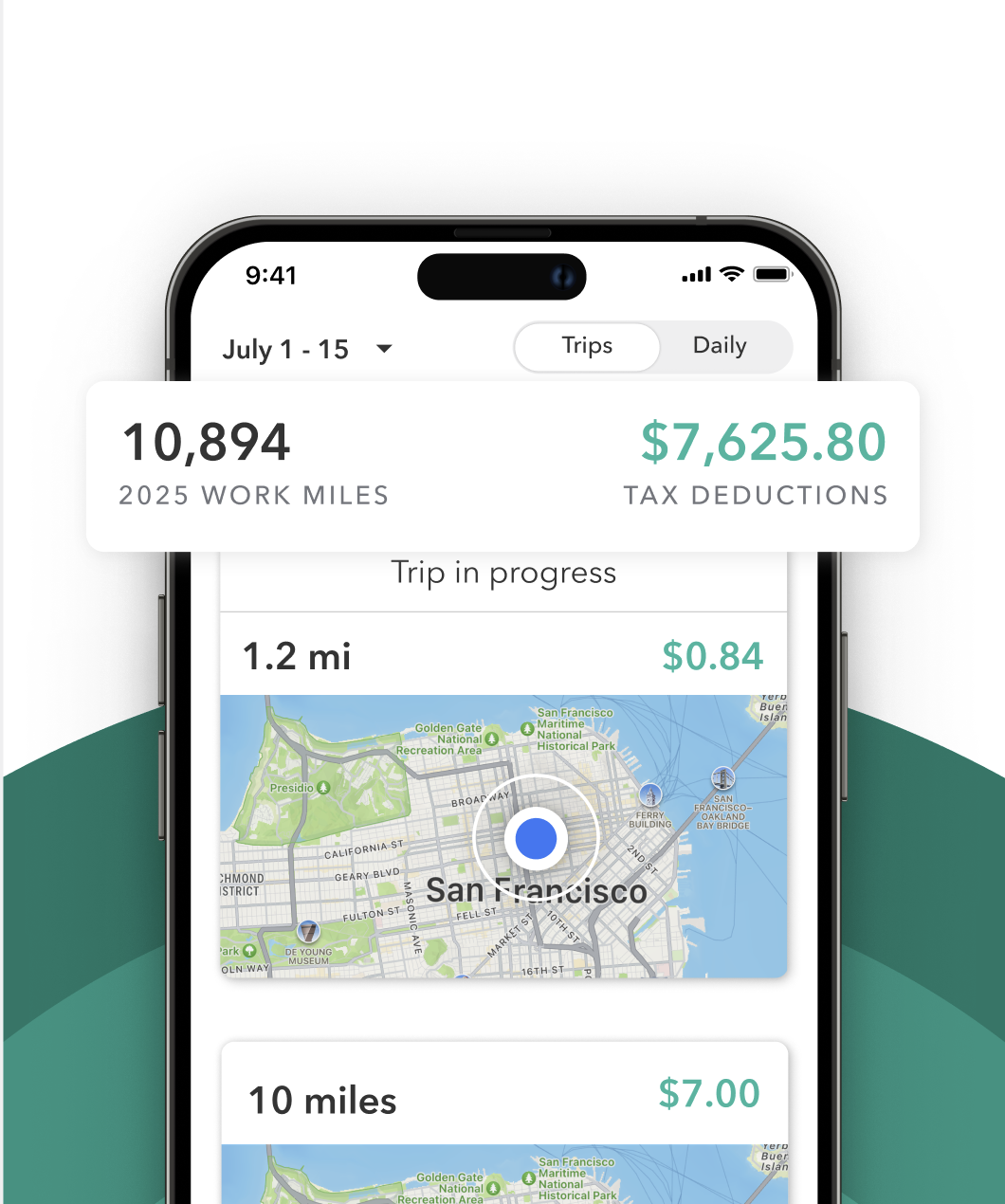
Use a tool like Everlance to automatically track expenses and generate tax-ready reports. If you host often, this can help reduce your taxable income and keep more of your earnings.
Key Takeaways
AirBnB is a powerful platform for turning your home or property into an income stream. While your earnings depend on location, pricing, and guest satisfaction, many hosts find it to be a rewarding and flexible way to generate extra money. The key is treating it like a business, tracking your expenses, and delivering great guest experiences every time.







.svg)
