


Meet
AirBnB
AirBnB connects hosts with travelers looking for unique places to stay. Create a listing to showcase your space, set your availability and prices, and earn income on your schedule while growing your hosting business your way.
How Does AirBnB Work for Hosts?
AirBnB has reshaped the way travelers find places to stay. It is not just a booking platform; it gives people the opportunity to earn income by opening their homes, spare rooms, or investment properties to travelers. When hosts understand how AirBnB works, the entire process becomes easier, more profitable, and far less stressful.
This guide explains what new hosts need to know, including how to get started, how the platform works, how to manage guests, and how to maximize earnings.
Getting Started as an AirBnB Host
Anyone can become a host by creating a listing and meeting a few basic requirements. Whether you share a room in your home or rent out a dedicated property, AirBnB’s onboarding process is built to be simple and clear.
Creating Your AirBnB Listing
When you set up your listing, AirBnB asks for essential information about your space. For example:
- The type of space you offer
- The location
- How many guests you can host
- Amenities such as Wi-Fi, parking, and kitchen access
You will upload photos, write a detailed description, and choose your nightly rate. AirBnB also gives you an estimated earnings range based on demand in your area. You will verify your identity and provide payout information. Once everything is complete, your listing goes live and travelers can begin booking.
Requirements for Hosting
AirBnB expects hosts to:
- Keep listings accurate
- Maintain a clean and functional space
- Respond to guests in a timely manner
- Follow local rules related to short term rentals
Some cities require permits or registration. AirBnB provides guidance inside the app to help you understand what applies to your location.
How AirBnB Works for Hosts
Once your listing is active, AirBnB connects you with guests who are looking for places that match what you offer. The platform handles bookings, communication, payments, and reviews.
Booking Basics
Guests can secure your listing in two ways:
- Instant Book, which confirms the reservation automatically
- Request to Book, which lets you approve or decline each booking
When a booking is made, you receive a notification in the app that includes the guest’s profile, travel dates, and message. You can reply, ask questions, or simply confirm details.
Managing Everything in the AirBnB App
The AirBnB app is your hosting control center. You can:
- Update your calendar
- Change pricing
- Send messages to guests
- View earnings
- Update check in instructions
- Track reviews and performance
The app also sends reminders for upcoming check ins, payouts, and important updates.
Understanding AirBnB Earnings and Fees
AirBnB hosts earn money through nightly rates, cleaning fees, and other optional charges such as pet fees or extra guest fees.
How Payouts Work
Your income depends on:
- The nightly rate
- Length of stay
- Cleaning fee, if you choose to charge one
- Demand and seasonality in your area
AirBnB deducts a small host service fee, usually around three percent, before sending payouts to your bank account. Payments are released twenty four hours after the guest checks in.
Setting the Right Price
Pricing is a major factor in your success. AirBnB gives you tools that help you set competitive rates:
- Smart Pricing, which adjusts rates based on demand
- Market data that shows local occupancy trends
- Seasonal insights that highlight busy periods
Many new hosts begin with slightly lower prices to collect several positive reviews. Once the listing has momentum, rates can be increased.
Maximizing Earnings as an AirBnB Host
Successful hosts treat their listing like a small business. A few strategic decisions can significantly increase visibility, bookings, and overall earnings.
Improving Search Visibility
Listings often perform better when hosts:
- Enable Instant Book
- Respond quickly to messages
- Keep calendars updated
- Upload high quality photos
- Use clear, detailed descriptions
AirBnB’s search ranking considers both host reliability and guest experience, so consistency matters.
Creating an Excellent Guest Experience
Happy guests leave positive reviews, and those reviews help drive more bookings. Hosts can elevate the experience by:
- Providing clear check in instructions
- Stocking basic supplies such as toiletries and coffee
- Maintaining a spotless space
- Communicating promptly and politely
- Leaving simple touches such as snacks or welcome notes
These gestures help guests feel valued and increase the likelihood of five star reviews.
Managing Expenses and Taxes
AirBnB hosting is considered self employment income. That means you must track earnings and expenses and handle your own AirBnB taxes.
Tracking Deductible Expenses
Many hosting costs qualify as tax deductions, including:
- Cleaning services
- Supplies like toiletries and linens
- Utilities
- Repairs and maintenance
- Furniture and decor
- Depreciation
- Mileage when driving to the property for cleaning or maintenance
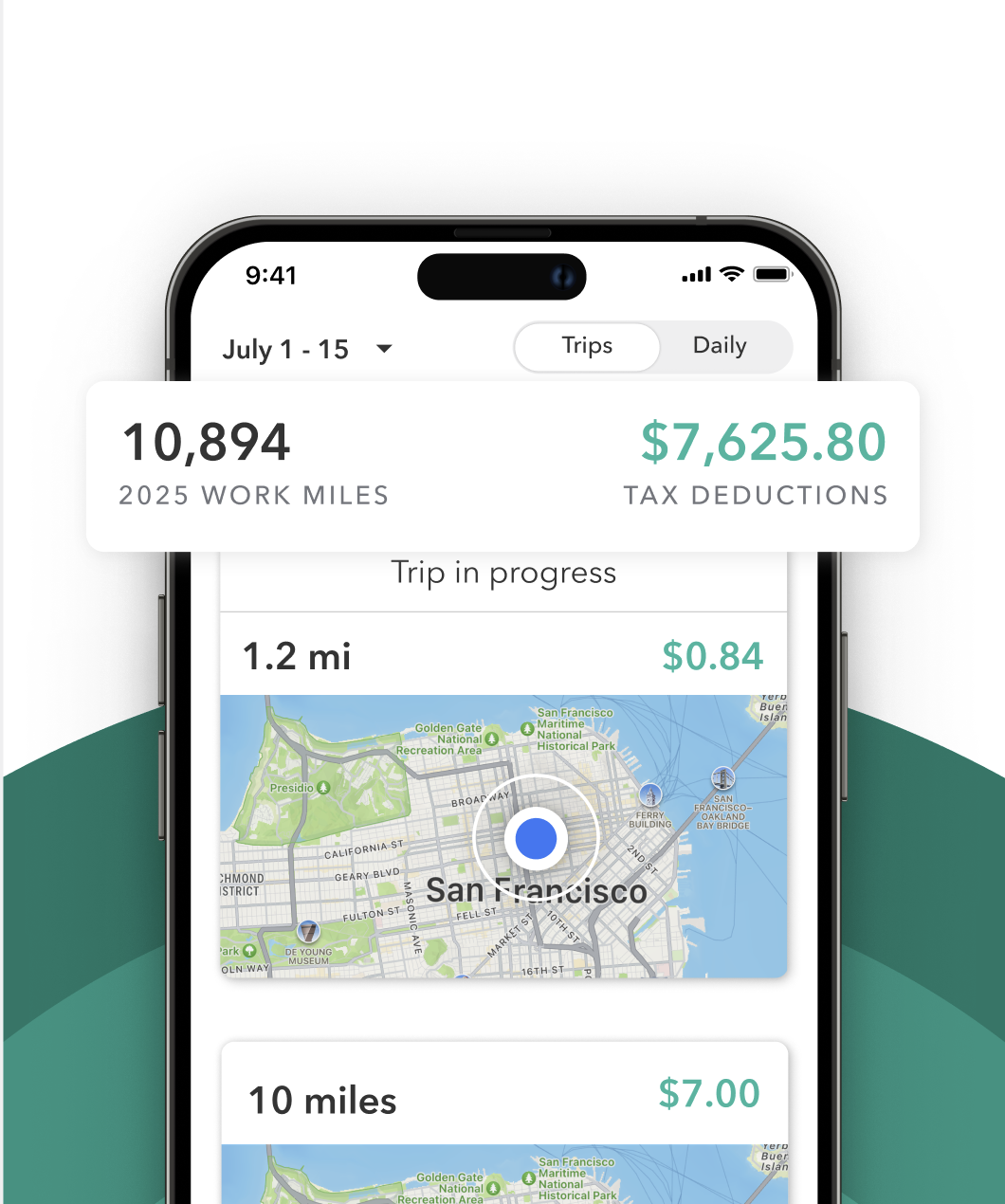
A tool like Everlance can simplify this by automatically tracking mileage, organizing receipts, and keeping host expenses separated from personal spending.
Tax Responsibilities for Hosts
Depending on your location, you may owe:
- Income tax
- Self employment tax
- Local lodging taxes
- State occupancy taxes
AirBnB sometimes collects certain taxes on your behalf, but not always. Keeping accurate records prevents surprises during tax season.
Safety and Security for Hosts
AirBnB has safety measures in place, but hosts should use additional precautions to protect themselves and their property.
AirBnB’s Safety Tools
AirBnB includes:
- Guest identity verification
- Reservation screening
- Host damage protection and liability coverage
- Secure in app messaging
- Emergency support
Reading guest reviews is another simple and effective way to vet potential guests.
Protecting Yourself and Your Property
Many hosts add features that increase safety and reduce stress, such as:
- Keypad entry with changing codes
- Exterior cameras at entrances, clearly disclosed in the listing
- Locked storage for personal items
- Clear house rules
- Noise monitoring devices that comply with local privacy laws
If a booking feels suspicious or violates your rules, you can decline it without penalty if Instant Book is turned off.
Delivering a Great Guest Experience
Your relationship with guests directly affects your ratings and future bookings.
Communicating Clearly
Transparent communication improves every stay. Make sure guests know:
- How to check in
- How to reach you
- Any important house rules
- Wi-Fi details
- Local tips and recommendations
Friendly and prompt messages set a positive tone for the entire visit.
Maintaining a Clean and Comfortable Space
Guests expect cleanliness and consistency. To meet expectations:
- Keep the space free of clutter
- Replace worn linens and towels
- Maintain a regular cleaning routine
- Offer thoughtful touches such as local snacks or guides
High quality photos and a well prepared space work together to increase demand and pricing power.
AirBnB hosting can be financially rewarding and personally enjoyable. When you understand how the platform works, take care of your space, and stay organized with your expenses, hosting becomes much easier.
AirBnB gives people flexibility, control, and the chance to earn meaningful income. With the right approach and tools like Everlance for tracking expenses, you can build a hosting experience that is smooth, consistent, and profitable.






Gig Platforms








.svg)
